Procore-OpEd_1000x600.jpg

July 5, 2024 wicsummit0

In the dynamic landscape of the Middle East construction sector, where towering skyscrapers and sprawling infrastructure projects shape the horizon, change is not just inevitable but a driving force behind progress. According to a Global Data Report, the UAE’s construction market reached a value of US $93bn in 2023 and is projected to maintain an average annual growth rate (AAGR) exceeding 3% from 2025 to 2028. Similarly, Saudi Arabia’s market was valued at $133.1bn in 2022 and is poised to witness an AAGR surpassing 4% from 2024 to 2027.

The substantial expansion of both markets is primarily fuelled by factors such as infrastructure development, economic diversification, and technological advancements, among others. However, alongside these opportunities come challenges such as project complexity, tight deadlines, and evolving regulatory landscapes. Therefore, to overcome these challenges and harness the full potential of opportunities, businesses must embrace transformative changes at both organisational and project levels. Central to this transformation is the imperative of effective change management.

Need for Effective Change Management

Change management isn’t merely about adopting new technologies or processes; it’s about orchestrating a cultural shift within organisations. According to a PwC CP&I survey from 2022, while businesses are ready to modernise their operations and invest in new technologies, large enterprises must significantly change their organisational capabilities and skill sets to adapt to the demands of the giga-project age. More importantly, businesses require internal preparation in order to drive successful outcomes and enable seamless transition to a new technology.

This is where change management – a term that describes the preparation, guidance and resources provided to employees within an organisation to assist them in effectively implementing new practices – comes into play. The development of change management systems must consider the many aspects of project development and address all the internal and external factors that influence a project’s progress. Regardless of an organisation’s size, structure, or complexity, it is critical to comprehend the principles that underpin change in order to successfully accomplish objectives and implement sustainable change.

Challenges in Embracing Change

One of the many obstacles to implementing change in an organisation is employee resistance. These reservations may stem from a variety of factors, such as concerns on new practices, lack of information, expertise, or status risks, as well as other concerns. One risk that comes with implementing changes in the construction industry is the need to manage different levels of operations, while maintaining efficiency.

This is significant given that the industry is characterised by rapid projects and tight deadlines. For industries such as construction, change management is therefore an essential procedure to quell concerns and minimise any short-term disruption. Implementing effective change management strategies, some of which are mentioned below, can assist in overcoming resistance, increasing employee engagement and ensuring effective execution of new initiatives.

Role of Leadership in Driving Change

Visible and active leadership involvement throughout the project or initiative is crucial for effectively managing change at every level of the organisation. Leaders’ commitment and support for the initiative increase as they gain a better understanding of their role and how they can contribute to the change. By creating a data-driven, interactive, and adaptive stakeholder engagement plan, appropriate supporting structures can be created at every level, resulting in improved adoption across the entire organisation.

Leaders play a critical role in allocating resources, whether financial, human, or technological, to bolster change initiatives. Moreover, they foster a culture of continuous learning and development, offering coaching, mentoring, and training opportunities to facilitate smooth transitions amidst change. Through these efforts, leaders empower their workforce to embrace new technologies, procedures, and operational modes as they move forward.

Communication and its Impact on Change

Communication, an often-overlooked component of a cohesive team, is arguably one of the most important drivers of successful change management. It is fundamentally linked to leadership, as leaders must establish a culture of effective and transparent communication, thereby conveying the change vision seamlessly across all organisational tiers to pave the way for a smooth transition. Transparent communication fosters understanding among employees and stakeholders regarding the rationale behind proposed changes, promoting engagement and removing internal barriers.

As part of this, leaders must determine appropriate communication channels, goals of communication, and governance framework for message approvals. Additional strategies that can aid in this transition include employee involvement and training, thorough assessments to identify organisational needs, employee surveys, pilot groups for employee training initiatives and feedback loops to encourage open-ended communication.

The integration of new technologies has enormous potential to propel businesses forward, especially in the construction landscape. More importantly, choosing the right technology partner is critical to the success of your change management initiative. Implementing new technologies can be challenging due to the changes in processes, skills, and culture.

Companies that collaborate with trusted change management partners are better able to overcome challenges and transform themselves into future-ready, resilient entities that effectively navigate technological complexities. Businesses can get the right assistance from a qualified partner when managing change and implementing new technology. Through structured approaches and effective leadership strategies, organisations can ensure a smooth transition for teams and stakeholders, while minimising disruption, cutting costs, increasing user acceptance, and ultimately realising the full potential of technological advancements.

To know more about the story, please click this link.

The post Technology and change management in the evolving construction landscape of the Middle East appeared first on Middle East Construction News.

Source: MEConstructionNews


Dubai-Skyline_1000x600.jpg

July 5, 2024 wicsummit0

In a bid to strengthen its commitment to smart buildings and sustainability in the Middle East, Cundall is offering WiredScore certification for Homes and Neighborhoods. As one of the first Accredited Professionals (AP) in the region, Cundall will empower clients to realise their smart building and sustainability ambitions, the firm explained.

With the increasing demand for smarter, connected residences and communities, the WiredScore certification sets a global benchmark for the built environment. This industry-leading certification helps create best-in-class buildings that attract and retain tenants, meet high sustainability standards, and are future-proof, said a statement from Cundall.

“Smart building solutions can power a sustainable future by monitoring, managing, and optimising energy consumption through data and connectivity. Aspects such as sustainability, resilience, and smart technology are now common expectations from clients. With technology underpinning our lives, residents and end users demand a best-in-class user experience that only the most well-connected buildings with forward-thinking smart features can offer,” explained Steven Fry-Harris, Associate Director, Cundall and certified Accredited Professional.

He added, “As we face an increasing demand for smart building approaches and resilient IT infrastructure, delivering world-class technological buildings is hugely important to Cundall and our clients. The WiredScore certification serves as a global benchmark, aligning other well-known certifications such as WELL. By ensuring technological resilience, minimising future disruptions, and setting clear building services system requirements, WiredScore offers a comprehensive approach for homes, workspaces, and communities.”

SmartScore Neighborhood is said to extend connectedness to an urban scale, helping landlords and developers demonstrate that their community has top-tier connectivity within its buildings and in the public spaces around them.

Mario Saab, Head of Sustainability MENA, Cundall commented, “This certification complements WELL and LEED Cities by focusing on digital connectivity and technological resilience. Together, these certifications create a comprehensive framework for building human-centric, sustainable, and technologically advanced urban environments. In addition, we are delighted to already be certifying a groundbreaking major residential scheme in Dubai that pushes the boundaries of sustainability in the UAE and the region.”

The post Cundall offers WiredScore’s first certification for homes in the Middle East appeared first on Middle East Construction News.

Source: MEConstructionNews


Water-Drop_1000x600.jpg

July 5, 2024 wicsummit0

Douglas OHI has begun the construction of temporary office facilities and essential utility infrastructure for the Ghubrah 3 Desalination Plant in Oman. The groundbreaking is said to signal the commencement of construction activities, and marks a significant milestone in the journey toward realising the project, which – once complete – will be the largest desalination plant in Oman,

Set to serve as a lifeline for 2.5m inhabitants of the capital Muscat, the Ghubrah 3 Desalination Plant, designed and built by Spanish group GS Inima, is billed as a vital infrastructure project.

With a normal capacity of 300,000cu/m per day and the ability to ramp up to 315,000cu/m per day during peak demand periods, its significance in meeting the region’s water needs cannot be overstated, said the company in a statement.

Group Managing Director Aaron Hennessy highlighted the group’s extensive experience in successfully delivering projects within the power and water sectors. He underscored the company’s fruitful collaboration with GS Inima, the EPC contractor, and expressed confidence in their ability to uphold standards of excellence.

“Our team is fully committed to ensuring the successful execution of this project,” remarked Hennessy.

Michael Hall, General Manager at Douglas OHI concluded, “This endeavour epitomises the essence of Douglas OHI’s work.”

The post Douglas OHI begins work on Ghubrah 3 Desalination Plant appeared first on Middle East Construction News.

Source: MEConstructionNews


Legacy-by-Sunrise1_1000x600-1024x640-1.jpeg

July 4, 2024 wicsummit0

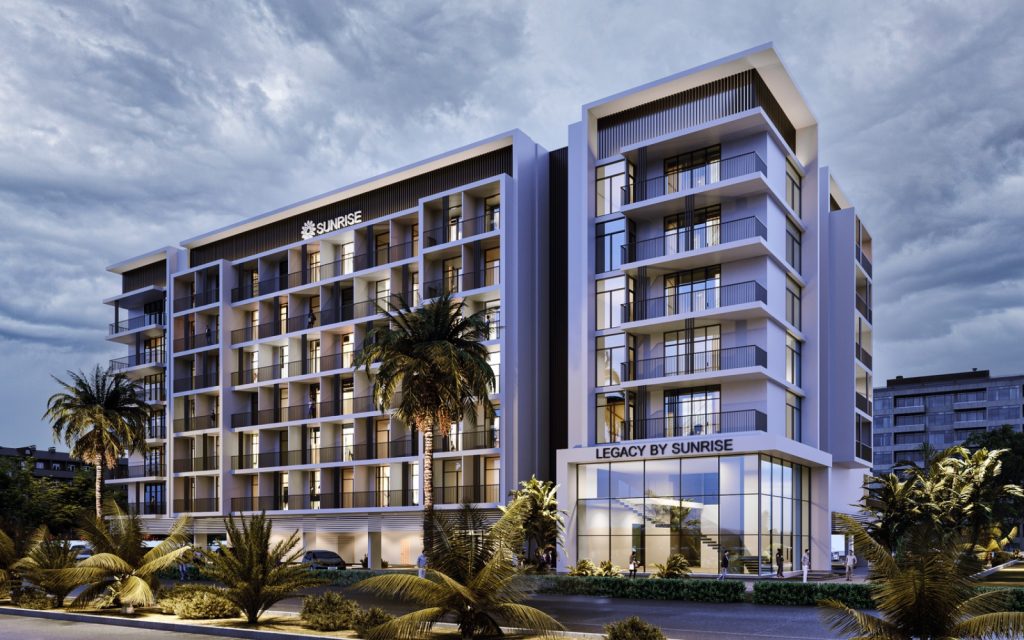
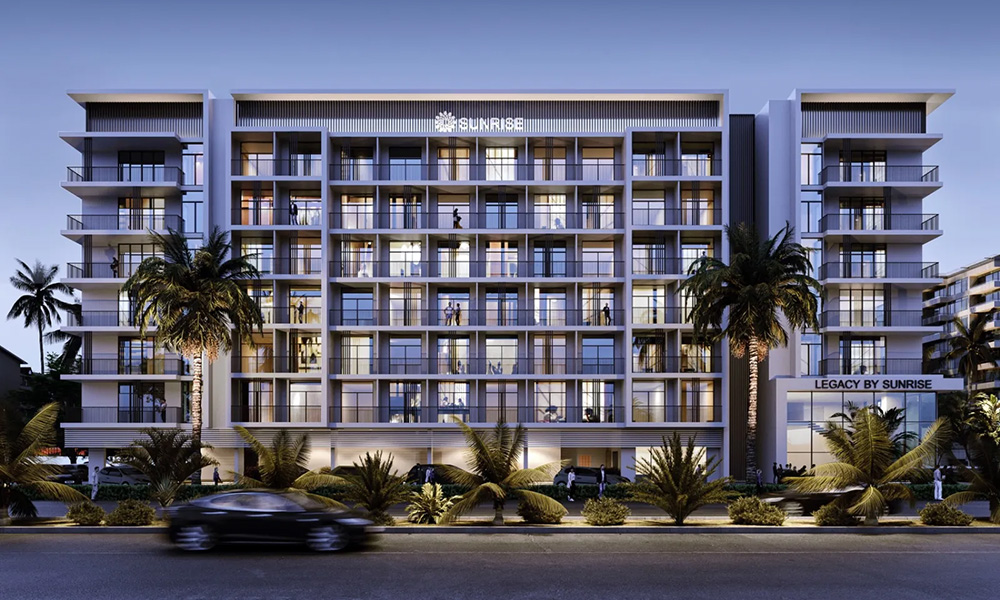
Dubai-based developer Sunrise Capital has announced the successful handover of all 132 units within its ‘Legacy By Sunrise’ premium residential project in Al Barsha South. Spanning over 91,000sqft, the residential property features 67 studios, 43 one- and 22 two-bedroom apartments.

According to Sunrise Capital, units were sold out in record time thanks to its quality design and interiors. Each residence has been crafted with precision and artistic flair displaying a harmonious blend of luxury and functionality. The interiors are thoughtfully designed to maximise space and light, featuring high-end finishes, custom details, and fully equipped kitchens with premium appliances by Teka (Germany).

“We are delighted to hand over the keys to the first residents of Legacy and couldn’t be prouder of this landmark achievement in luxury residential development. Sunrise has once again proved its commitment to the market by delivering on time and to the highest possible standards. We believe demand has been so high due to the project’s architectural brilliance, and the unique blend of sophistication and comfort,” explained Yogesh Bulchandani, Founder of Sunrise Capital.

The project is said to offer varied layouts for its units, accommodating a range of lifestyles from bustling family life to serene solitary living, all underpinned by an unwavering commitment to quality, the firm added.

It boasts a range of amenities including kids’ play area and fully shaded parking; semi Olympic length pool; gym; lavish double height lobby; executive library and a cinema room, stated Bulchandani.

The handover follows the successful delivery of the developer’s Legend by Sunrise project, which is also located in Al Barsha South. The development features 112 apartments across six floors, with luxury amenities including a grand lobby and four high-speed elevators, concluded Bulchandani.

The post Sunrise Capital hands over Legacy By Sunrise project to buyers appeared first on Middle East Construction News.

Source: MEConstructionNews


Nassib-Al-Sibassi_1000x600.jpg

July 4, 2024 wicsummit0

Project development consultancy Compass Project Consulting (Compass) has appointed Nassib Al-Sibassi as the new Managing Director for its Kingdom of Saudi Arabia (KSA) operations.

In his new role at Compass, Sibassi will focus on several key initiatives to drive the company’s growth and excellence in the KSA market including: team empowerment – enhancing professional development opportunities and fostering a collaborative environment to ensure the team remains motivated and capable of delivering exceptional results and the Compass Vision; project excellence – refining PMO and project development processes to maintain the highest standards of quality and client satisfaction; strategic growth and innovation – exploring new opportunities and leveraging cutting-edge technologies to expand service offerings and enhance capabilities.

Sibassi’s vision is said to align closely with Saudi Arabia’s Vision 2030, emphasising innovation, sustainable development, and transformative projects that positively impact the Kingdom’s ambitious goals.

“We are thrilled to welcome Nassib Al-Sibassi to the Compass family. His extensive experience and strategic approach will be invaluable as we continue to lead some of the region’s most transformative projects, as a national delivery partner in the Kingdom. Nassib’s leadership will undoubtedly enhance our capabilities and drive our mission to achieve greater project results,” said Nawfal Al Khudhairy, President of Compass.

Luke Somerville, Co-founder of Compass added, “Nassib’s appointment is a significant milestone for our KSA operations. His expertise and leadership will help us navigate the intricacies of the Saudi market and deliver on our commitment to quality. We are excited about the future and the positive impact Nassib will bring to our team and clients.”

With over 30 years of experience in civil engineering and project management, Sibassi brings a wealth of knowledge and a proven track record in delivering high-profile projects across the Middle East. His distinguished career includes leadership roles at top-tier firms, where he successfully managed major portfolios, engaged with senior government officials, and led teams to execute complex, multi-disciplinary projects, said a statement from Compass.

“I am honoured to join Compass at such an exciting time. The company’s dedication to innovation, quality, and community impact resonates deeply with me. I look forward to working with the talented team at Compass and contributing to the remarkable growth and success of our KSA operations,” stated Sibassi.

Sibassi holds a Master’s degree in Highways and Transportation from City University London and a Bachelor’s degree in Civil Engineering from Beirut Arab University. He is also a Fellow of the Saudi Council of Engineers and a member of several prestigious engineering institutions in the UK and the Gulf region.

Compass is committed to leading the region’s most transformative projects, offering end-to-end services including development management, program management, project management, procurement management, construction management and commercial management. The company’s vision is to positively impact the communities in which it works, evolving a better tomorrow, today, the statement noted.

The post Compass appoints new MD for KSA operations appeared first on Middle East Construction News.

Source: MEConstructionNews


MEC-Awards-2024_1000X600.jpg

July 3, 2024 wicsummit0

The 2024 edition of the Middle East Consultant Awards will take place on 14 November, the Middle East Consultant (MEC) editorial team has announced. Nominations are now open, with the MEC team noting that the deadline for nominations will be announced in due course.

According to the MEC team, the 2024 edition of the awards features 23 categories including: Multi-Discipline Consulting Company of the Year; Project Management Company of the Year; Specialist Consulting Company of the Year; Project of the Year: Residential & Commercial; Under 30 Champion of the Year and others. Click here to read about all the categories.

The gala dinner event will be hosted at the Ritz Carlton JBR in Dubai, where the MEC team will announce the full shortlist in each category, as well as the winners.

“This year’s edition of the Middle East Consultant Awards aims to reflect trending developments such as the use of AI and Smart tech, through to sustainability and the quest for better, wellness-centred workplaces. We invite nominations that are rich in detail and include positive testimonials from stakeholders – and companies can enter right now, either through video entries or by completing the forms on the Awards website,” said Paul Godfrey, Head of Content at Middle East Consultant.

As before, all of the nominations submitted for the 2024 MEC Awards will go through a multi-step judging process which includes several rounds of elimination. Apart from the magazine’s editorial team, an independent panel of judges will also preside on the nominations; both groups will work together to produce a shortlist and decide upon winners. Read about the nomination guidelines here.

To read more about the Middle East Consultant Awards, click here.

The post Nominations for 2024 Middle East Consultant Awards now open appeared first on Middle East Construction News.

Source: MEConstructionNews


Fairmot-Sol-Properties2_1000x600.jpg

July 3, 2024 wicsummit0

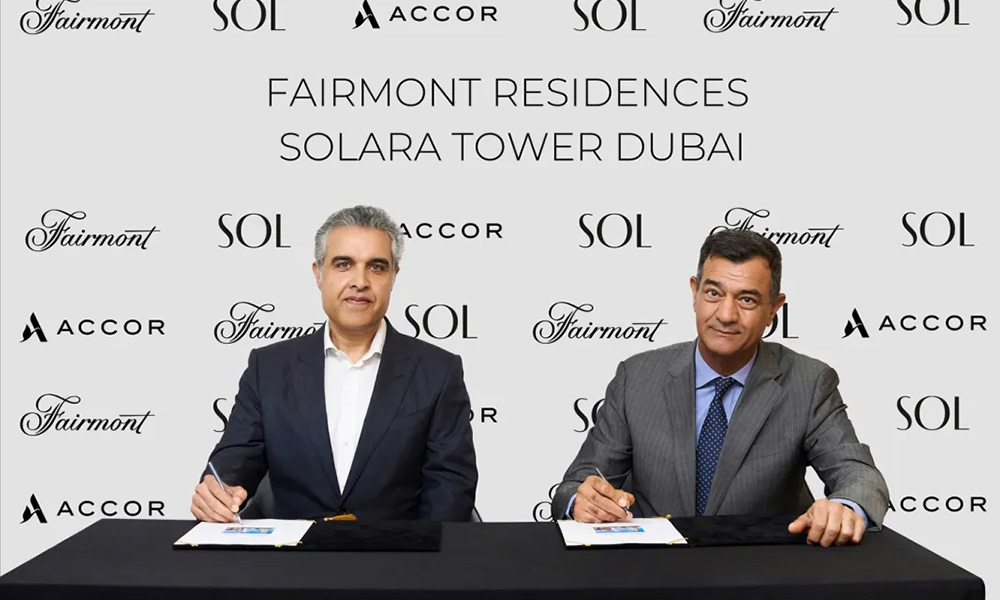
Fairmont Hotels & Resorts announced that it has partnered with UAE-based developer Sol Properties to launch a premium residential development in Downtown Dubai.

Billed as a premium 55-storey residential project, Fairmont Residences Solara Tower, is the latest land development in Downtown Dubai, and is set to offer stunning views of both Burj Khalifa and the Dubai Fountain. Work is currently underway on the project which is scheduled for completion by Q3 of 2027.

The property is said to combine Fairmont’s distinguished brand standards in the realm of luxury hospitality, along with Sol Properties’ strong expertise in the luxury real estate segment.

Sol Properties’ founder and CEO, Ajay Bhatia commented, “We at Sol Properties and Fairmont Hotels & Resorts are elated to provide a completely new standard of luxury living in Downtown Dubai. Our goal is to provide residents with exclusive amenities and personalised services, thereby setting a new precedent for comfort and convenience for end users. By combining Fairmont’s exceptional hospitality services with our integrated residential environment and attention to quality, this project is certain to offer residents unmatched lifestyle experiences.”

Fairmont Solara Tower stands out in Downtown Dubai as the only residential tower providing a private swimming pool in various, selected apartments.

Residence owners will also have exclusive access to Fairmont’s wide range of integrated amenities, which include gourmet restaurants, fitness centres, spas  and wellness centres, offering a resort-like experience within a few steps of their own home, said the statement.

Fairmont Global Chief Operating Officer, Sami Nasser noted, “We are confident that our expertise in the field of luxury hospitality combined with our pioneer approach to residential projects will allow us to redefine the landscape of luxury residences in Dubai and the broader region. This combined with Dubai’s strategic location and investor-friendly regulations, which attract high-net-worth individuals and investors seeking to diversify their portfolios.”

The post Fairmont and Sol Properties launch luxury tower appeared first on Middle East Construction News.

Source: MEConstructionNews


Somendra-Khosla_Chairperson_1000x600.jpg

July 2, 2024 wicsummit0

The real estate market in the UAE, and Dubai – in particular – has been enjoying an upward trend post pandemic, and has attracted investors as well as new developers, the latter of which have added, and continue to add, new properties to Dubai’s residential property segment.

Property portal Bayut’s recent Q1 2024 report on Dubai’s property marketed stated that the previous upward trend in property prices across the emirate has “stabilised considerably with certain areas even reporting declines in average prices.”

Its report revealed that “there has been a modest increase in sales prices for apartments and villas in prominent neighbourhoods of Dubai, with the highest surges reaching up to 7% during the first quarter of 2024. As per Bayut’s report which leverages Dubai Land Department information, the emirate saw a cumulative total of 36,946 property sale transactions in Q1 2024. The transactions encompassed both residential and commercial acquisitions and had a monetary value of US $29.8bn.

The statement from the firm said, “While the market has continued to enjoy sustained interest from investors and end-users, there is also a healthy influx of new properties, ensuring adequate supply to meet the demand for housing within the emirate.”

In line with its earlier statement, the reported stated, “In the affordable segment, transactional sales prices for apartments in highly searched areas have decreased from 1% to 16%, with the exception of Dubai South, which registered a moderate increase of 4.48%.” That said, it then also added, “The average transaction prices for affordable villas have predominantly seen upticks ranging from 7% to 62%, with Dubailand reporting the most significant increase in transactional price.”

It also revealed, “When it comes to mid-tier properties, there has been a significant rise in the average sales transaction prices for apartments, ranging from 6% to 42%, with the most noticeable uptick recorded in Jumeirah Lake Towers. Similarly, sought-after areas featuring mid-tier villas have observed increases in average transaction sales prices ranging from 5% to 14%. Notably, Al Furjan stands out as an exception, experiencing a slight decrease of 0.37% in its transactional sale price.”

Bayut’s report also added there is a resurgence in the demand for family villas. “The market has witnessed a heightened interest in larger family-oriented residences, particularly within luxury and mid-tier communities, indicating a shift towards more spacious properties and a preference for family-friendly living environments,” said Bayut in its statement.

While the appetite for quality living experiences is seeing a resurgence, it’s something luxury residential developer SOHO Development has been focused on for over a decade. The developer says it is committed to creating non-branded residences that offer luxury amenities in a bid to create hotel-inspired living spaces.
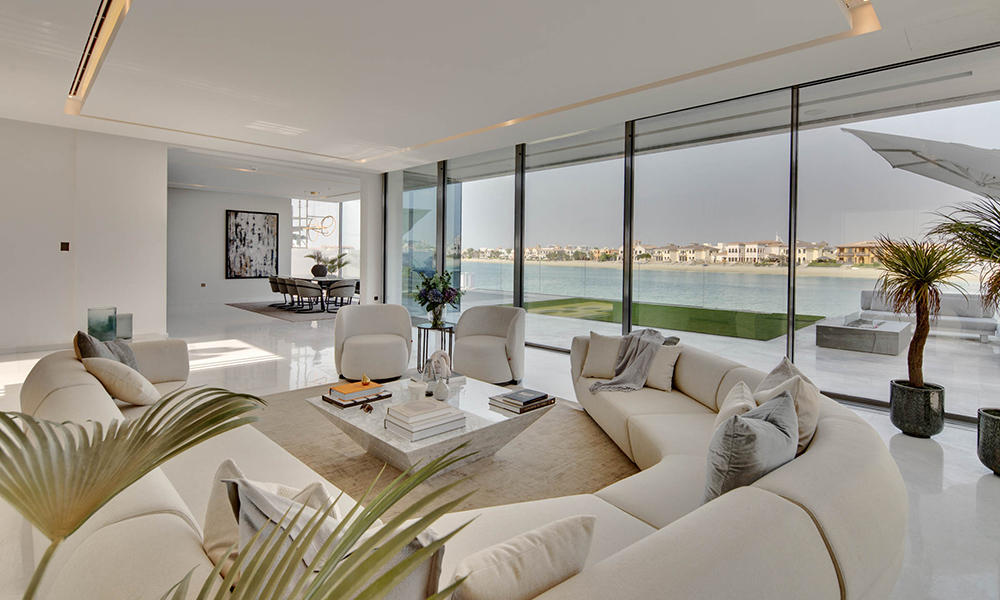
Founded in 2008 by father-son duo Somendra and Sahil Khosla, the firm says it seamlessly blended architectural innovation with interior elegance, starting with its project on Dubai’s Sheikh Zayed Road, and continuing on with nine villas on Palm Jumeirah’s G and I fronds, as well as its SOHO Palm Jumeirah project on Palm West Beach.

Here, Big Project Middle East speaks to Somendra Khosla, Chairman of SOHO Development about the firm’s approach to residential real estate, the market in the UAE and Dubai, and the firm’s plans for the future.

  • What is SOHO Development’s inspiration and vision with regards to residential real estate?

Our luxury homes and premium apartments are locally inspired by renowned hospitality brands such as Four Seasons Hotels & Resorts, The Ritz Carlton, One & Only Resorts, as well as home-grown brands like Address Hotels and Vida Hotels and Resorts etc, ensuring excellence in quality and service delivery.

We offer a unique proposition in the Dubai real estate market, providing high-quality, fully furnished living without the premium price tag associated with branded properties. This makes them an attractive choice for buyers seeking luxury without overspending. For investors, the pricing not only enhances the resale potential of these properties but also widens the potential buyer pool.

  • Share insights on the non-branded luxury residential/serviced home market in the UAE. How do you see this market developing in the next two years?

In the United Arab Emirates, the non-branded luxury housing industry is booming, especially in Dubai, where the affordable market segment is growing. Non-branded residences typically have lower service charges, making them an attractive option for investors looking to maximise rental yields. Their lower entry price makes them more accessible to a broader range of investors and leads to faster resales.

Average professionals/investors now seek high-quality, affordable luxury homes, fuelling demand for unique, non-branded luxury residences. Over the next two years, we expect this market to continue its robust growth, driven by a maturing real estate sector and evolving buyer preferences for individuality and affordability.
  • What impact will the growing appetite for branded residences have on non-branded luxury residential offerings in the UAE?

 The growing appetite for branded residences in the UAE complements rather than overshadows non-branded luxury residential offerings, as both segments cater to distinct consumer preferences. The maturing market and increasing consumer appetite for unique, bespoke options ensure that non-branded residences remain highly attractive to buyers seeking individuality and bespoke spaces. This growth in both segments enriches the luxury real estate sector, offering diverse investment opportunities and fostering a sophisticated, dynamic market.

  • The last big shift in customer appetites for residential real estate was triggered by the pandemic. Have appetites changed since then, or are they much the same? What do your buyers value/prioritise?

Since the pandemic, customer appetites for residential real estate have evolved significantly. Young professionals and investors are increasingly drawn to Dubai for its safety, opportunities, and lifestyle, often extending their stays indefinitely. Today’s buyers and investors prioritise non-branded residences that are high in quality and sustainable and promise long-term yields. They value attention to detail, quality of life, and prime locations, reflecting a shift towards more thoughtful, future-oriented investment strategies. This trend underscores a growing emphasis on sustainability and long-term value in the residential real estate market.

  • The UAE has multiple luxury residential offerings on the market; in your experience where do developers struggle to deliver on their promise of luxury living and a luxury lifestyle? How can this be avoided?

In their pursuit of quick construction and cost reduction, some developers occasionally overlook critical aspects such as finishes, size, layout, and material selection. These shortcuts can result in subpar quality, cramped living spaces, and a lack of premium feel.

Developers should instead prioritise maximising space while still maintaining high-quality finishes, thoughtful and spacious layouts, and the use of premium materials. This ensures that luxury residential offerings meet buyer expectations, uphold the market reputation, and foster customer loyalty, not only retaining existing buyers and attracting new ones but also enhancing the brand image. This positive perception reinforces the brand’s position in the market, and facilitates long-term growth and expansion.

At SOHO Development, we stand out by offering more than just villas and apartments. With years of industry experience and a focus on excellence, we provide high-quality products that exceed market expectations and set new benchmarks in luxury living.
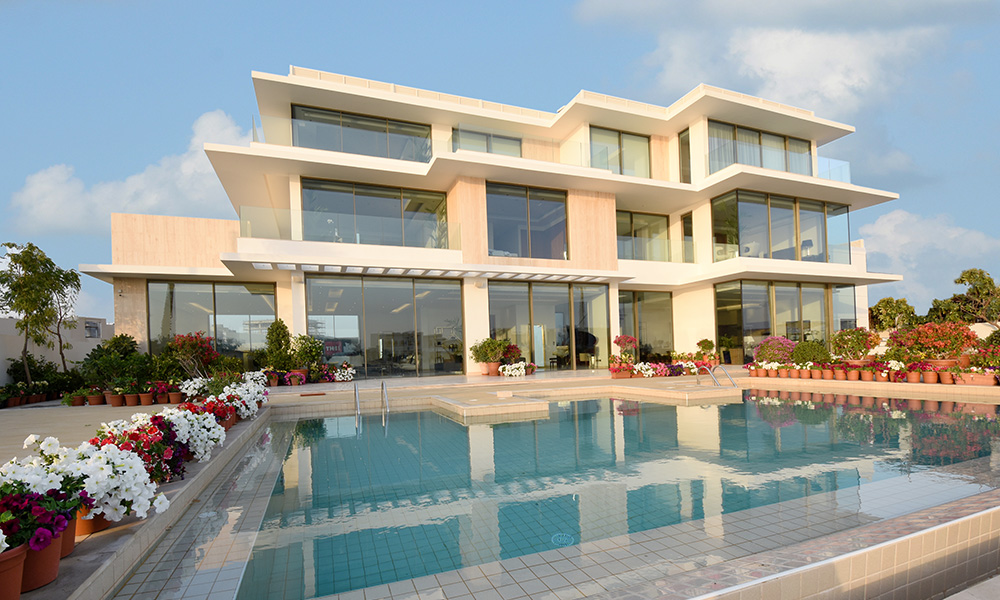
Collaborating with the industry’s best to ensure every aspect of our buildings and villas meets the highest quality standards, we provide a hotel-inspired lifestyle in Dubai’s prime locations, such as beachfront or parkfront areas. Our residences are designed by leading architects, constructed by quality contractors, and fully furnished with impeccable aesthetics.

  • What is SOHO Development’s overarching vision in terms of its projects in the UAE? What differentiates your projects from other contenders in the market?

 Our vision at SOHO Development is to provide a hotel-inspired lifestyle with quality,  amenities and design-led aesthetics. What sets us apart from others in the market is our commitment to exceeding expectations. We collaborate with industry leaders to set new benchmarks in luxury living, offering fully furnished flats designed by leading architects.

Our projects are strategically located in prime areas like beachfront or parkfront locations, and we anticipate and provide amenities beyond the traditional, such as co-working spaces and zen studios for wellness activities. We aim to understand and accommodate the diverse lifestyles and preferences of today’s buyers. Our goal is not only to meet but exceed the expectations of our residents, fostering a sense of belonging and fulfilment in their living spaces.

  • What are some of your key projects in the UAE? What is their USP compared to other contenders in the market?

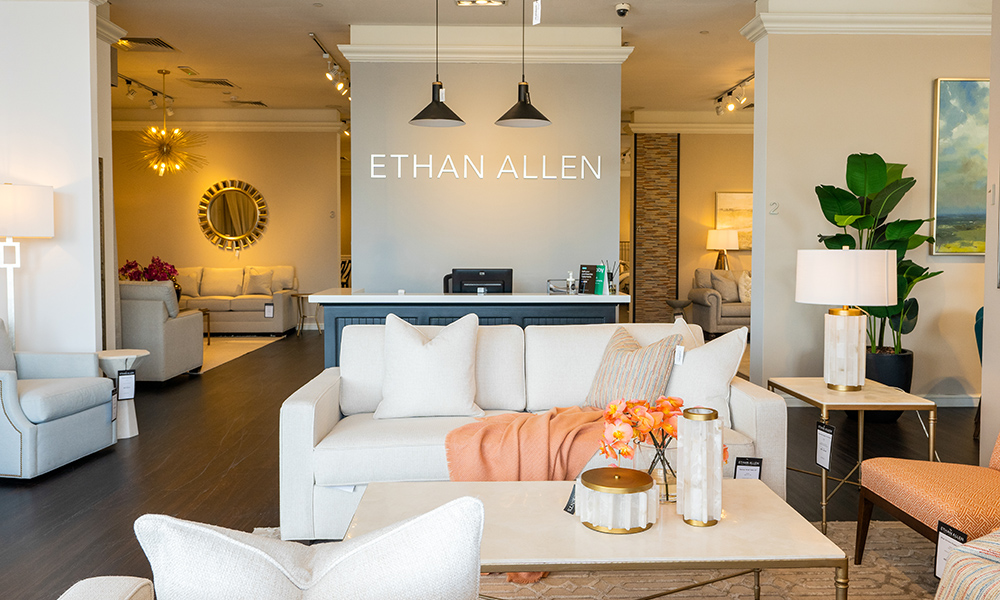
We launched our very first flagship development on Sheikh Zayed Road, hosting the global luxury brand Ethan Allen, and quickly expanded our portfolio to develop nine luxury villas on Palm Jumeirah. These lavish beachfront villas on I, N and G fronds are designed as custom-built retreats on exclusive beachfront, offering ultra-discrete living. Fully furnished, these villas provide curated experiences that cater to the luxury lifestyle.

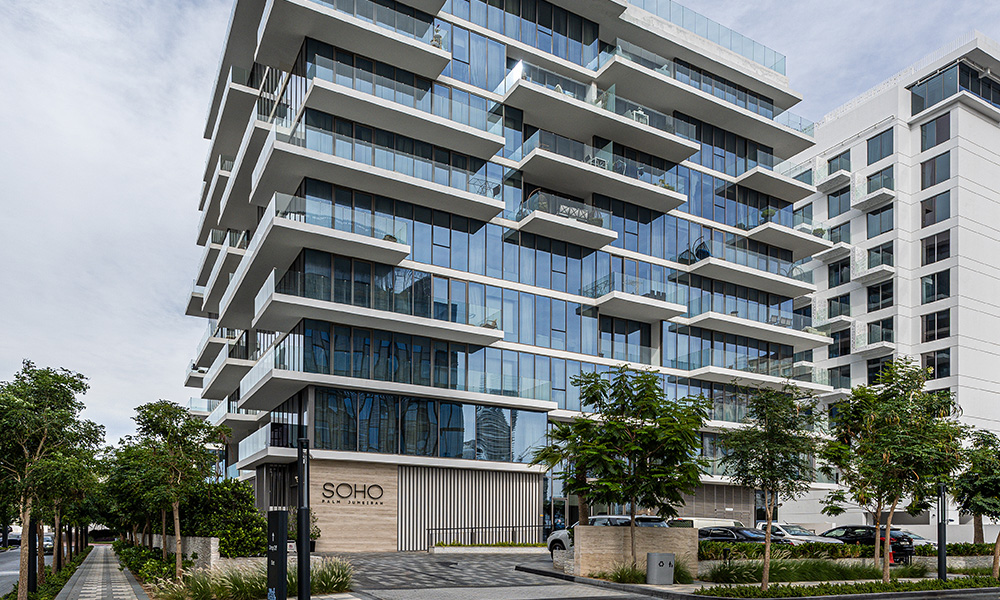
This success further fuelled the development of ‘SOHO Palm’, a landmark build-to-rent residential building project that embodies our commitment to high-quality luxury living. Each fully furnished apartment features ultra-modern aesthetics and uninterrupted beach views, enhancing the allure of trendy community living. Unique to this project, residents enjoy private beach access—a rarity among residential buildings in West Palm Beach.

We are now spearheading the development of two new residential buildings in Dubai Hills, set in a tranquil parkfront location with elevated amenities. Additionally, we are expanding our project offerings to develop two bespoke luxury villas on Jumeirah Bay Island.
Compared to other contenders in the UAE market, our USP lies in our commitment to delivering fully furnished, curated experiences that blend luxury, exclusivity, and convenience. Our projects are designed to exceed market expectations and offer residents unparalleled living experiences.

  • What differentiates a regular residential project from a luxury residential project? How do you guarantee a luxury living experience for buyers?

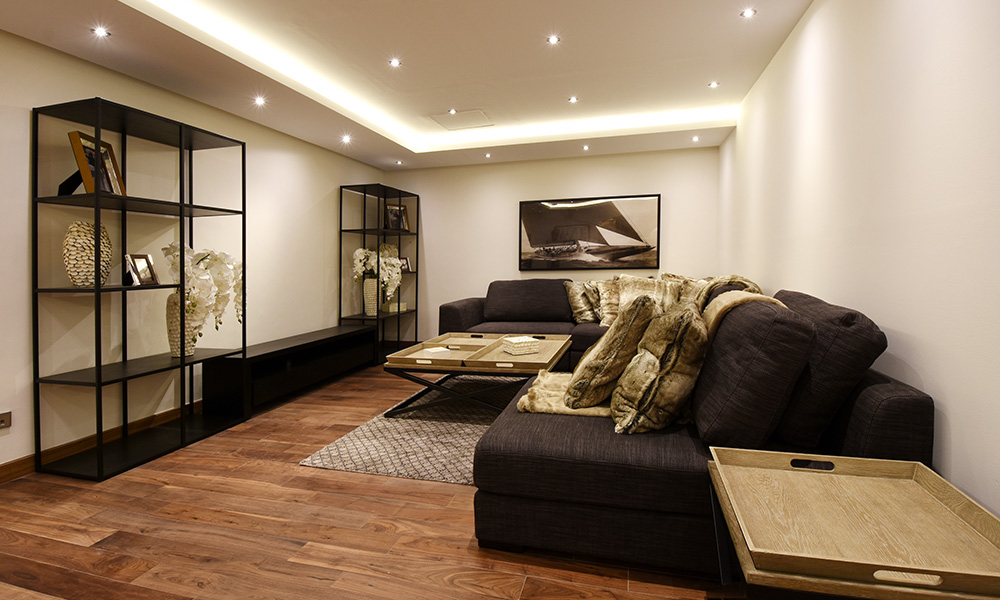
What sets apart a luxury residential project is the meticulous attention to detail and the selection of materials and finishes. In our luxury developments, every aspect, from the kitchen to the wardrobe, from sanitary ware to appliances, is inspired by hospitality standards. We prioritise using premium materials and high-end finishes to elevate the living experience to a luxurious level.

Upholding these high standards throughout every stage of development, we guarantee a luxury living experience for our buyers and tenants. Our commitment to excellence ensures that each home is crafted with precision and care, delivering exceptional build quality and craftsmanship that rivals even branded residences.

Moreover, our fully furnished residences offer a hotel-inspired lifestyle, complete with amenities that cater to every aspect of modern living. From well-maintained gyms to expansive swimming pools, children’s play areas, and beautifully landscaped gardens, we provide a comprehensive living experience that consistently surpasses the expectations of our residents.

  • What are some of the key challenges SOHO Development has faced in terms of planning and delivering luxury residential offerings in the UAE? How did you tackle these challenges?

 As developers, one of our primary challenges is staying attuned to the evolving needs of our buyers. With demands shifting constantly, our ability to adapt becomes crucial in meeting and exceeding expectations.

When we successfully identify the buyer’s needs, the next important step would be strategic timeline planning, which becomes essential to delivering quality residences. Unforeseen challenges when finalising designs or materials, are inevitable in these projects, emphasising the importance of proactive planning and allowing adequate time for these tasks.
Moreover, identifying the right partners and engaging them from the project’s start is essential for effective timeline management. Early involvement allows us to plan for contingencies, incorporate feedback, and ensure smoother project progression, while maintaining our high standards.

  • What is the inspiration behind the architecture and interior design/fit-out of your projects? Do you have preferred designers that you usually work with?

At SOHO Development, we draw inspiration from the hospitality sector to craft luxurious living experiences that seamlessly blend with residential comfort. This approach appeals to discerning individuals seeking privacy, comfort, and exceptional value without compromising quality.

When it comes to design, we collaborate closely with a select group of preferred designers who share our vision and values. These designers, including renowned LW Design, XBD Collective, Saota, and Naga to name a few, bring a wealth of expertise and creativity to our projects. Their innovative approach to architecture and interior design helps us create spaces that not only meet but exceed the expectations of our clients. By working with these preferred designers, we can ensure that each project reflects our commitment to delivering the highest standards of luxury living.

  • How does SOHO Development approach sustainable development? Do you strive for performance-based certifications or criteria-based certifications?

At SOHO Collections, our approach to sustainable development revolves around continuous improvement and delivering better products. We understand that embracing sustainability not only benefits the planet but also adds value for residents, investors, and stakeholders.

Our commitment to sustainability involves developing buildings that comply with industry standards, leading to reduced operational costs. By designing properties that efficiently consume resources like water, heating, and electricity, we contribute to environmental conservation while enhancing the long-term viability of our projects.

Furthermore, we prioritise urban landscaping to create green barriers that help reduce overall temperatures within our properties, promoting a healthier and more comfortable living environment.

The post Crafting living experiences appeared first on Middle East Construction News.

Source: MEConstructionNews


Port-of-Aberdeen_1000x600.jpg

July 2, 2024 wicsummit0

Ports are essential assets facilitating the movement of commodities through the supply chain. Maritime transport has been shaping modern global economy, and recent events across the globe often remind us how reliant we are on ports and global trade routes.

Big Project ME’s Critical Infrastructure Summit which recently took place in Dubai was a fantastic opportunity to engage on the topic of resilient ports and cities in the Middle East. By definition, port resilience is the ability to maintain an acceptable level of service in the face of disruptions (e.g. pandemics, natural disasters and cyber or terrorist attacks).

This concept is illustrated in the figure and can be estimated by considering the time to recovery (TTR). For people affected by recent flooding events, TTR corresponds to the time a certain road or a metro station took to reopen for instance. As authorities respond as quickly as possible, their capacity is linked with parameters such as planning, agility, communication, etc. A port’s focus is to be able to handle an average traffic level and to maintain the associated revenue level.

How can port infrastructure be more efficient in terms of delivery and operations?

As engineers our duty is to help de-risk projects and operations for our clients. One of the key strengths of Buro Happold (BH) design teams is to capture the site conditions in detail, highlight risks and opportunities, and improve project performance by eliminating those potential future delays.

Extreme weather events due to climate change are likely to become more frequent and more intense with a risk to damage port infrastructure. In our marine projects, I work with our sustainability and infrastructure experts to factor in climate change and sea level rise in the design process. On strategies and large-scale masterplans, I get involved with our transport and strategic planning teams to assess how ports and infrastructure networks perform at present day and in future by modelling various throughputs, populations, disruption events, to demonstrate that back-ups are in place with multiple sources of supply and alternative modes of transport available.

To increase efficiency, Middle East ports look to embrace digitalisation for applications such as security, utilities metering, logistics, emissions tracking, etc. Port operations and asset management have benefited from the development of accurate 3D BIM models over the last decade, and more recently of the emergence of digital twins, which facilitate monitoring activities and the integration of smart systems.

How can ports be designed and managed more sustainably?

In recent years, I have helped authorities and developers integrate requirements for nature-based solutions, regenerative design and lifecycle assessment in their ambitious new directives. The objective is to guide and incentivise designers, developers, and operators to follow best practice on sustainable design and environmental planning.

BH’s advisory team helps policymakers and investors develop tailored solutions to match national and regional objectives on topics such as renewable energy, sustainable infrastructure, biodiversity conservation and emission reductions. This work can be linked with the emerging trend of ‘Green Ports’ which represents ports’ efforts to become environmentally aware in their operations with eco-friendly practices in mind.

Speaking to other panellists, we agreed that stakeholder engagement is paramount for the success of sustainability initiatives and large-scale infrastructure projects. Actors forming part of the port resilience ecosystem can be split across three categories: port level (authority, operators), carrier’s level (shipping lines, rail, trucks), and other stakeholders.

How are ports aiming to deliver on Net Zero Goals?

More than 3% of global greenhouse gas (GHG) emissions caused by human activities are attributed to the shipping sector. With the world’s trade demand increasing, those emissions are also likely to keep growing if no further measures are taken. The International Maritime Organisation (IMO) coordinates all stakeholders’ efforts towards GHG emissions reductions targets: at least 20% by 2030 and Net Zero emissions around 2050.

At a regional scale, Middle East port operators align with the national targets (UAE Net Zero by 2050 and KSA Net Zero by 2060) as well as the United Nations Sustainable Development Goals. For example, on the expansion of Khalifa Port, Abu Dhabi Ports Group identified key opportunities such as the installation of solar panels, replacement of cement with GGBS and shore to ship power.

BH energy team are presently working with the Port of Aberdeen (UK) in a Demonstrator Project to cut 80% of vessel emissions at berth. Key focus is on shore power solutions and green energy generation on site to significantly reduce gas emissions and enhance air quality.

To fully decarbonise their fleet, shipowners need to rethink their fuel choices. A range of technologies exist to meet IMO ambitions, those future marine fuels include LNG, LPG, Methanol, Biofuels, SNG, Hydrogen, Ammonia. Shipping companies such as Maersk have been advocating for a stronger regulatory framework. The Ane Maersk, large container ship which recently visited Jebel Ali Port can sail up to 23,000 nautical miles (41,400km) thanks to its dual fuel type engine.

Conclusion

The OECD forecasts a tripling of global freight demand by 2050, with maritime trade potentially exceeding 120,000 billion tonne-miles. The overall shipping demand is not expected to slow down, which makes today’s challenges more pressing. Changes to the supply chain could be considered to reduce volume of import trade in the region. Local production would add more resilience to ME countries and generate more profit to the local economy.

Decarbonising the maritime shipping industry is a complex challenge, requiring concerted efforts by key industry actors. National and international authorities are making progress towards a more sustainable future, driven by a combination of regulatory pressure, market forces, and environmental awareness. Consultants have a key role to play in advising clients, developing practical solutions and de-risking projects.

The post The planning and design of resilient ports appeared first on Middle East Construction News.

Source: MEConstructionNews


U-By-Emaar-Bahrain1_1000x600.jpg

July 2, 2024 wicsummit0

Emaar Properties’ loyalty programme – U by Emaar – has expanded to Bahrain with the introduction of two beachfront properties to its members – the Address Beach Resort Bahrain and Vida Beach Resort Marassi Al Bahrain.

With this inclusion, U by Emaar members can now indulge in unparalleled luxury and lifestyle experiences while earning and redeeming Upoints, the programme’s currency, said a statement from Emaar Hospitality Group.

The Address Beach Resort Bahrain is said to be a beachfront hotel with direct shopping access at Marassi Galleria Mall, and sets a new standard for luxury stays in Bahrain, while Vida Beach Resort Marassi-Al-Bahrain marks the debut of the Vida Hotels and Resorts brand in the Kingdom, offering a chic and contemporary beach resort retreat.

Mark Kirby, Head of Emaar Hospitality Group said: “We are delighted to expand U by Emaar to Bahrain, one of our key markets in the region. We welcome our members to experience two exceptional hotels that reflect our commitment to excellence and innovation. U by Emaar is designed to reward our loyal guests with unmatched benefits and rewards that enhance their lifestyle and well-being. We look forward to welcoming our members to Address Beach Resort Bahrain and Vida Beach Resort Marassi-Al-Bahrain, offering them memorable and rewarding stays.”

As part of U by Emaar, members are offered an array of exclusive benefits and rewards at the two properties in Bahrain; perks include include room upgrades, late check-out, dining discounts, spa savings and exclusive members-only experiences. Members earn also earn Upoints for every stay and spend at the hotels, which can be redeemed for complimentary nights, dining experiences, and spa treatments across all participating venues in the region.

U by Emaar offers four tiers of membership – Black, Silver, Gold, and Platinum – each unlocking a higher level of privileges and perks for its members. This tiered system ensures that every member enjoys a tailored and rewarding experience that aligns with their lifestyle preferences, the statement noted.

The post Emaar expands loyalty scheme to two properties in Bahrain appeared first on Middle East Construction News.

Source: MEConstructionNews