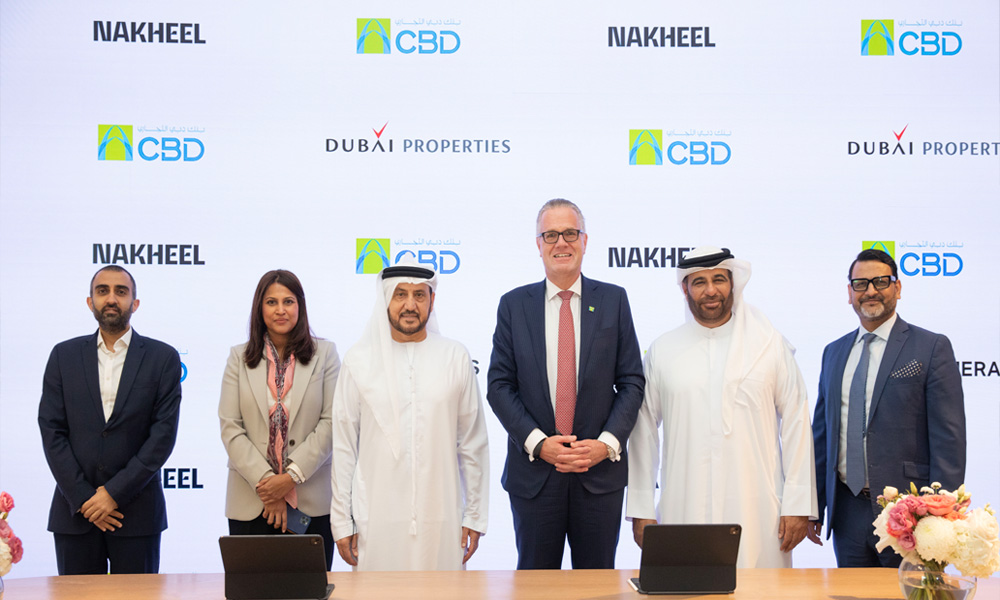
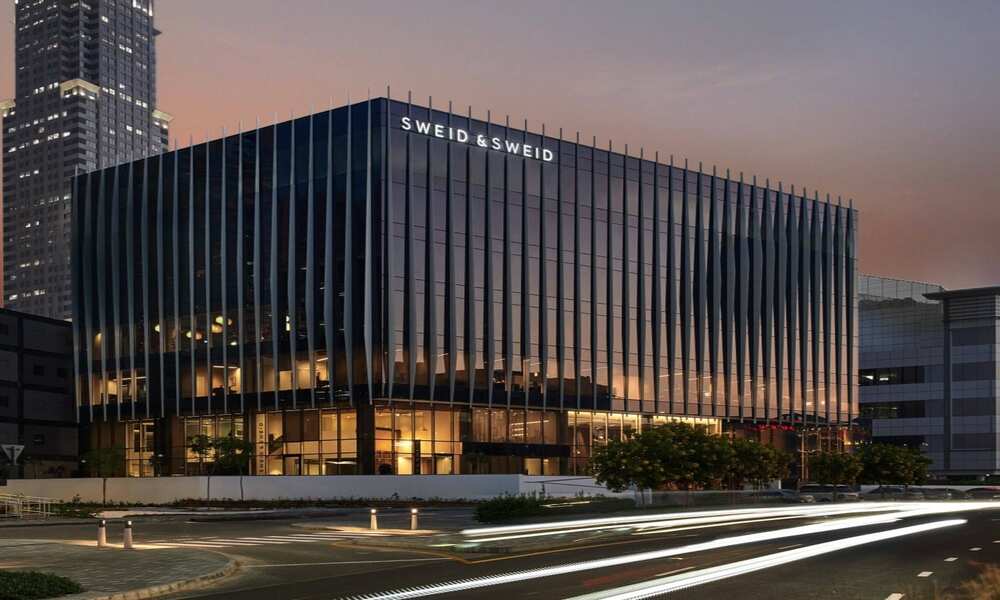
Sweid & Sweid has signed The Executive Centre (TEC) to operate over 53,000sqft of premium flexible workspace at Sweid One, introducing a high-quality serviced office offering in Jumeirah Lakes Towers (JLT) within the DMCC freezone.
The agreement marks TEC’s entry into DMCC and further strengthens its footprint across the UAE’s most strategic commercial districts. The new location complements TEC’s existing portfolio in the region, including approximately 96,875sqft at Dubai World Trade Centre, 32,292sqft at One Za’abeel, and 53,820sqft at Abu Dhabi Global Market (ADGM).
At Sweid One, TEC will occupy 2 full floors to create a premium flexible workspace destination featuring private offices, collaborative work areas, executive meeting suites, boardrooms, and event facilities, all supported by dedicated on-site teams and integrated enterprise infrastructure. Designed to support both immediate occupancy and future expansion, the centre will enable businesses to scale efficiently without the constraints of traditional leasing models. This offering reflects the growing demand for agile, hospitality-led workspaces that combine operational flexibility with a high-quality workplace experience in strategically located business districts.
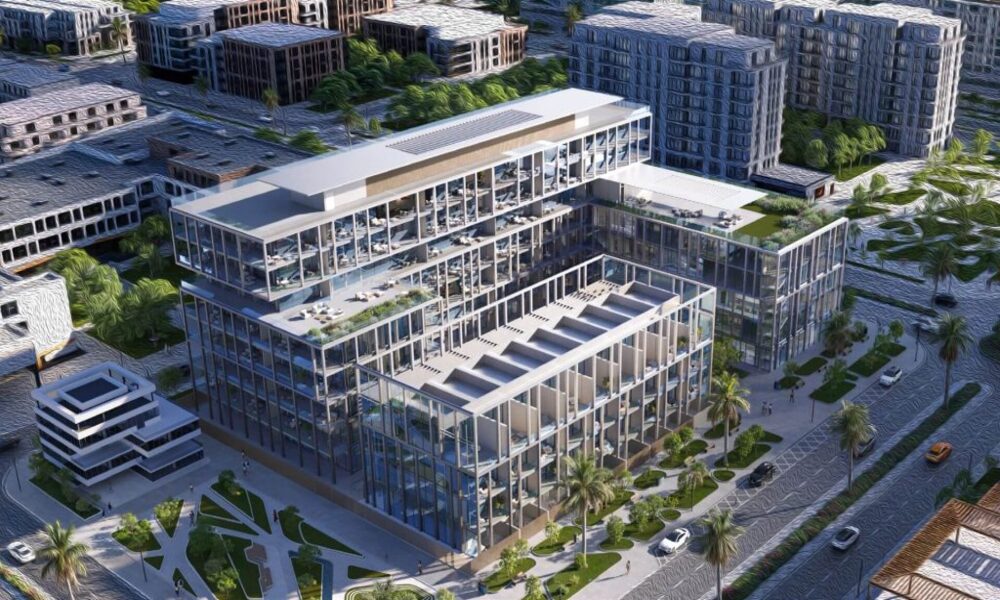
Sweid One spans approximately 1m sqft of built-up area, including approximately 500,000sqft of Grade A office space. Developed to international architectural and sustainability standards, the project has been designed to support future workplace requirements with large, efficient floor plates, 4m floor-to-floor heights, energy-efficient HVAC systems, premium solar-efficient glazing, and LEED-aligned sustainability specifications.
The development will also feature a strong amenity offering, including Boon Coffee, The Kitchen by Spinneys Food Hall, and a premium restaurant with an outdoor terrace to be announced shortly, providing high-quality dining and convenience on site, said a statement.

Positioned within one of Dubai’s most vibrant business ecosystems, the development offers occupiers direct access to over 600 cafes and restaurants and 300+ retail and convenience stores, creating a highly connected live-work-play environment attractive to both businesses and talent. The location also provides seamless connectivity to Sheikh Zayed Road, Sheikh Mohammed Bin Zayed Road, and 2 metro stations, while benefiting from DMCC’s position as one of the world’s leading freezones and home to over 25,000 registered companies, it added.
TEC’s presence is said to enrich Sweid One’s broader ecosystem, extending its appeal to both established enterprises and fast-growing businesses operating within the DMCC community. Beyond conventional leasing, TEC will provide occupiers access to premium meeting rooms, enterprise event spaces, flexible project offices, and short-term expansion capabilities within the building itself.
Maher Sweid, Managing Partner of Sweid & Sweid added, “Across our portfolio, we have worked closely with a broad range of occupiers, giving us a clear view of how commercial real estate requirements are changing. Businesses today want high-quality assets that can support different stages of growth, with the flexibility to expand and adapt without unnecessary complexity. This has directly informed Sweid One’s positioning. Alongside its Grade A office space and fully fitted units, the addition of The Executive Centre introduces a premium flexible workspace layer, giving occupiers access to a wider range of additional workplace solutions within the same building. This further establishes Sweid One’s as one of JLT’s most compelling new commercial addresses.”
Ketan Trehan, Regional Director – Middle East, The Executive Centre added, “Our expansion into Sweid One is one of our most significant commitments to the UAE market to date – and a reflection of the confidence we have in DMCC as a destination for the region’s most ambitious organisations. Our expansion into DMCC complements our positioning across the UAE’s key markets from DWTC to ADGM. Partnering with Sweid & Sweid was a straightforward decision, when values align on design, quality, and the conviction that workspace should elevate the people within it, everything else follows. We are proud to be the first truly premium flexible operator in DMCC.”
Source: MEConstructionNews