Haytham-Ayoub-landscape.jpg

April 30, 2026 wicsummit0

New developments often take the spotlight, but the Kingdom’s greatest Net Zero opportunity already exists within its current building stock. As Saudi Arabia advances towards its 2060 Net Zero target, the focus is shifting from new construction to optimising existing assets.

This direction is reinforced by national policy. The Saudi Green Initiative, a cornerstone of Vision 2030, prioritises energy efficiency and carbon reduction, while the Saudi Energy Efficiency Center continues to advance frameworks such as the Energy Conservation Building Code. Alongside this, Mostadam certification, administered by the Ministry of Municipal, Rural Affairs and Housing, provides a structured pathway to improve the performance of both new and existing buildings.

The real Net Zero opportunity is already built

Buildings are silent emitters. According to the International Energy Agency (IEA), the existing built environment accounts for nearly 40% of global energy-related carbon emissions, and many remain inefficient and energy hungry. At the same time, the World Bank estimates that up to 75% of today’s buildings will still be in use by 2060.

In cities such as Riyadh and Jeddah, this means that today’s offices, hotels, and residential towers are not just part of the urban landscape, but long-term climate commitments, which is a point often overlooked. As energy costs rise and ESG-driven tenants increasingly favour efficient, green-certified spaces, outdated buildings risk becoming both an environmental burden and a commercial liability for asset owners and tenants alike.

The scale of the opportunity is significant. Much of this building stock predates modern energy efficiency standards. Internal analyses by Cundall’s sustainability team suggest that over 70% of commercial and residential buildings in Saudi Arabia fall into this category, often characterised by inefficient HVAC systems, poor insulation, and outdated lighting. This is not a marginal issue. It represents a significant portion of the Kingdom’s existing built environment and, therefore, the most immediate pathway to meaningful emissions reduction.

The starting point is energy

Operational performance typically accounts for the vast majority of a building’s lifetime emissions. Studies from the UK Green Building Council indicate that as much as 85% of emissions stem from day-to-day operations, with HVAC systems alone responsible for 60–70% of total energy consumption. Improving how buildings perform in use is therefore the most direct route to reducing both carbon and cost.

Retrofitting provides a scalable and commercially viable solution.

At the most accessible end, optimisation measures such as HVAC fine-tuning and smart controls can deliver energy savings of up to 26%, often with payback periods of less than two years. Targeted upgrades, including LED lighting, high-performance glazing films, and water-efficient fixtures, can increase savings to around 37% while enhancing asset quality and tenant appeal.

For assets reaching 15 to 25 years of age undergoing major capital works, deep retrofit solutions offer the greatest impact. By rethinking the original design strategy for an older building with the application of modern design tools and capability more significant upgrades can be achieved beyond the standard equipment replacement cycles or refurbishment programmes. Building owners can achieve energy reductions of up to 65% while future-proofing long-term performance and maximising asset value.

The financial case is equally compelling. Regional studies such as Energy Efficiency in the GCC Built Environment 2024 by the GCC Supreme Council for Energy indicate that deep retrofit projects can achieve internal rates of return between 15% and 25%, with payback periods typically ranging from 4-to-8 years. These are not marginal gains, but high-value capital improvements that directly enhance net operating income.

This is already being demonstrated in practice. The retrofit of the King Abdullah Petroleum Studies and Research Center (KAPSARC) in Riyadh achieved a 27% reduction in annual energy consumption through a combination of HVAC optimisation, lighting upgrades, and envelope improvements, with a payback period of 6-years. This is a clear example of how sustainability and financial performance can align in the Kingdom.

Your blueprint starts with a roadmap, not a wrecking ball

Importantly, retrofitting does not require disruptive, large-scale intervention from the outset. The most effective strategies are aligned with a building’s natural lifecycle, whether through lease renewals, system replacements, or changes in facility management. A structured roadmap, beginning with a detailed energy audit and followed by phased implementation, allows building owners to prioritise quick wins while planning for deeper upgrades over time.

Saudi Arabia’s Net Zero ambitions will not be achieved through new developments alone. They will be realised by transforming the performance of existing assets at scale.

The buildings that will define the Kingdom’s low-carbon future are already standing. The opportunity now is to unlock their full potential, turning them into high-performing, efficient, and resilient assets that align with both national priorities and evolving market expectations.

Source: MEConstructionNews


MOHRE_1000x600.jpg

April 30, 2026 wicsummit0

A comprehensive set of regulations governing labour accommodation has been issued by the Ministry of Human Resources and Emiratisation (MOHRE). Authorities said the measures form part of a broader framework to ensure compliance, enhance quality of life and strengthen worker protection across the UAE.

The new regulations mandate free internet access and enhanced health and welfare facilities as part of efforts to improve living standards, in addition to several other stipulations.

As per the guidelines, employers must ensure licensed and adequate housing for workers or provide a housing allowance. Facilities housing 1,000 workers or more are required to operate 24-hour medical clinics, alongside recreational areas and financial service facilities. The ministry said that it requires accommodation managers to provide social and recreational activities during official holidays, aiming to support workers’ psychological wellbeing, said a report.

The regulations noted that labour accommodations must be located near industrial zones and transport networks, while maintaining distance from family residential areas and environmental hazards. The rules further outline proper lighting, sanitation, food preparation facilities and access to clean drinking water, alongside pest control measures and safe gas installations.

Employers must provide first aid rooms, isolation areas and emergency response plans, while larger accommodations must include on-site doctors, nurses and ambulances, the regulations outlined.

The ministry stressed the need to provide written guidance in various languages, outlining their rights and responsibilities, occupational health and safety instructions, and contact details for relevant government authorities to submit complaints or request assistance.

It also called for emergency signage, evacuation plans, fire prevention procedures and instructions on the use of firefighting equipment, along with regular drills for workers and residents on emergency evacuation, the report explained.

Source: MEConstructionNews


MBRHE-allocates-homes-in-Wadi-Al-Amardi-and-Al-Aweer-_1000x600.jpg

April 30, 2026 wicsummit0

In alignment with the Year of the Family 2026 initiative and the directives of Her Highness Sheikha Hind bint Maktoum bin Juma Al Maktoum, wife of His Highness Sheikh Mohammed bin Rashid Al Maktoum, Vice President and Prime Minister of the UAE and Ruler of Dubai, the Mohammed Bin Rashid Housing Establishment (MBRHE) has commenced the allocation of homes within the Wadi Al Amardi and Al Aweer projects.

The allocations are said to be valued at US $436mn and is said to be the largest batch of ready homes allocated to citizens to date.

The MBRHE also said it is implementing Her Highness Sheikha Hind’s $22.6mn grant to furnish beneficiaries’ homes, adopting an updated approach designed to ensure the efficiency and transparency of the allocation process.

Mohammad Hassan AlShehhi, Chief Executive Officer of the Mohammed Bin Rashid Housing Establishment stated: “The Mohammed Bin Rashid Housing Establishment leverages the latest smart technologies in the home allocation process to ensure the highest standards of governance and efficiency, while providing beneficiaries utmost ease and convenience.”

AlShehhi said that a total of 830 homes are being allocated under the 2-projects, marking the largest batch of ready homes allocated to citizens since the inception of MBRHE. He added that the housing units were developed to modern standards that prioritise privacy and allow for future expansion. This is supported by advanced infrastructure, modern road networks, and integrated community facilities designed to meet the needs of citizens.

He said that the allocation process is conducted through a digital reservation system via the DubaiNow app. Beneficiaries are contacted by the MBRHE call centre team and invited to visit on-site allocation centres at the Wadi Al Amardi and Al Aweer projects, which operate Monday to Thursday from 9:00 am to 3:00 pm, and from 9:00 am to 12:00 pm on Friday.

The Al Aweer project features 398 modern housing units allocated as grants, with a total budget of over $199mn. Each unit has a built-up area of 4,000sqft within a total area of 4,500sqft. Supported by advanced infrastructure and modern road networks, the project features all essential community amenities and services, including public parks and majlis halls. Each unit comprises 4-bedrooms, a majlis, a living room, a modern kitchen, and utility rooms, all meticulously designed to ensure exceptional comfort for families.

The Wadi Al Amardi project boasts 432 housing units allocated as grants, with an approved budget of over $209mn. Each unit has a built-up area of 4,000sqft within a total area of 4,500sqft. Each residence features 4-bedrooms, a majlis, a living room, a kitchen, and utility rooms. Dedicated outdoor spaces are provided within each plot to accommodate future extensions or the addition of service annexes as required. The integrated design framework adheres to the highest standards of sustainability and quality of life, the statement outlined.

The housing allocations reflect the unwavering commitment of Dubai’s leadership in supporting citizens and enhancing social stability, AlShehhi said, adding that the Dubai Government places the highest priority on providing high-quality housing to further boost quality of life and ensure the wellbeing of citizens and their families.

The government remains dedicated to empowering citizens and offering them a dignified and stable life through innovative and sustainable housing solutions in line with Dubai’s ambitious vision for a more prosperous future, AlShehhi concluded.

Source: MEConstructionNews

DEWA-1_edit.jpg

April 30, 2026 wicsummit0

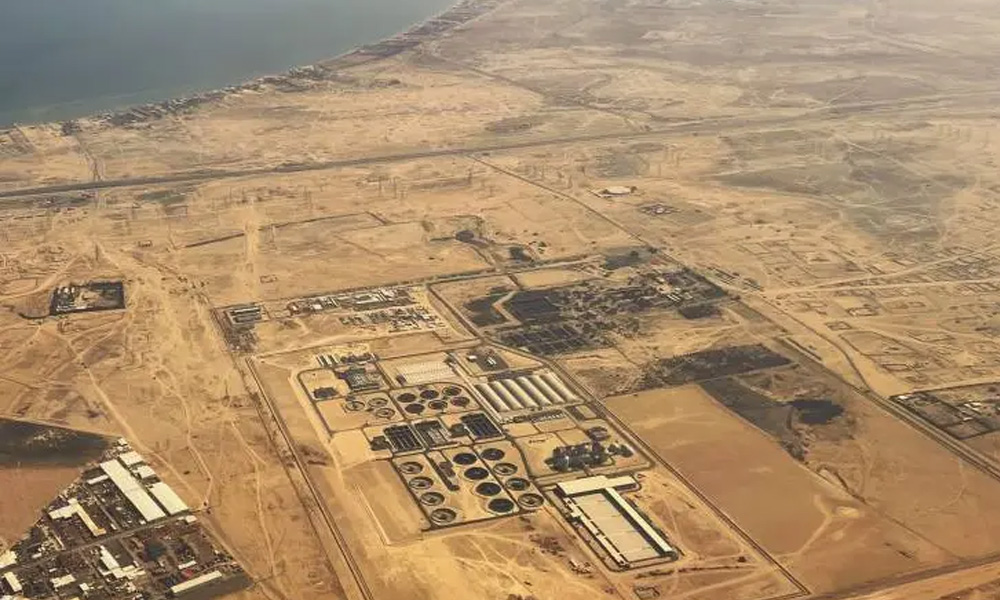
The Dubai Electricity and Water Authority (DEWA) has set a new world record for the lowest electricity customer minutes lost (CML), at just 0.82 minutes (about 49 seconds) per year, according to Saeed Mohammed Al Tayer, MD & CEO of DEWA.

With this significant achievement, DEWA has surpassed its own previous world record of 0.94 minutes in 2024, representing an improvement of around 13%, a statement from the utility company said.

“We work in line with the vision and directives of His Highness Sheikh Mohammed bin Rashid Al Maktoum, Vice President and Prime Minister of the UAE and Ruler of Dubai, to provide the best electricity and water infrastructure in the world. We utilise the latest technologies of the Fourth Industrial Revolution, particularly artificial intelligence, which we are fully integrating into DEWA’s strategies and operations,” said Al Tayer.

He added, “The smart grid is a fundamental pillar of DEWA’s strategy to deliver services according to the highest standards of availability, reliability and efficiency. This supports the Dubai 2040 Urban Master Plan and the Dubai Economic Agenda (D33), which seek to consolidate Dubai’s position among the top three global cities.”

Al Tayer explained that the Smart Grid, which DEWA is implementing with total investments of US $1.9bn up to 2035, provides advanced features that enhance the efficiency of energy transmission and distribution, reduce outages, minimise losses, improve electrical load management and enhance the happiness of customers and all stakeholders.

He also noted that one of the key programmes is the Automatic Smart Grid Restoration System, the first of its kind in the Middle East and North Africa. The system enables remote, round-the-clock control, management and monitoring without human intervention, through innovative centralised systems that automatically locate and isolate faults and restore service, accelerating power restoration and increasing reliability.

DEWA said it reduced CML in Dubai from 6.88 minutes per year in 2012 to just 0.82 minutes in 2025, significantly lower than the average of approximately 15 minutes recorded by leading utility companies in the European Union. This underlines DEWA’s global leadership in adopting innovation to deliver services according to the highest reliability standards.

Source: MEConstructionNews


DMCC-Twin-Tower.jpg

April 29, 2026 wicsummit0

DMCC has unveiled Two Uptown Place and One Uptown Place – two new premium commercial towers within its flagship Uptown Dubai district. These developments mark a significant milestone in the district’s expansion, said a statement.

The development will introduce over 560,000sqft of Grade A office space, surpassing the district’s current commercial footprint of over 1m sqft. Leasing is anticipated to commence in the second half of the year, with the towers expected to be completed by the first quarter of 2028.

Comprising 21 and 15 storeys, these towers are designed to accommodate a diverse range of occupiers, from multinational corporations to rapidly expanding firms. Office configurations will vary from 2,100sqft to 17,600sqft, with select floors featuring integrated, multi-level layouts connected by private staircases. This format is tailored for larger tenants seeking operational cohesion.

An additional 82,000 sqft of retail space will be integrated into the development, solidifying Uptown as a mixed-use destination that combines commercial, retail, and lifestyle offerings. This expansion aligns with DMCC’s efforts to establish new ecosystems in finance and capital markets.

Notably, the recent launch of FinX and the Wealth Hub aims to attract financial institutions, fintech platforms, alternative lenders, and digital asset firms to the district. The growth of these sectors is driving a demand for high-specification office space in well-connected locations, the statement noted.

Ahmed Bin Sulayem, Executive Chairman and Chief Executive Officer, DMCC said, “Businesses are increasingly prioritising environments that combine connectivity, flexibility and access to capital and markets. With One Uptown Place and Two Uptown Place, we are adding over 560,000sqft of Grade A office space, taking Uptown Dubai’s total commercial capacity beyond 1m sqft. The towers are designed to accommodate a wide range of occupiers, featuring office configurations from 2,100 to 17,600sqft, including integrated multi-level layouts.”

“This reflects the scale and sophistication of demand we are seeing across trade, finance and technology. As we continue to build out ecosystems for the next generation of businesses, including DMCC Wealth Hub, FinX and the Maritime Centre, Uptown Dubai is evolving into a fully integrated district, offering companies a premium and connected platform to grow and operate globally,” he noted.

Brewer Smith Brewer Group designed the towers to prioritise performance and user experience. Amenities include in-building dining, retail outlets, and a swimming pool. Floor-to-ceiling glazing provides panoramic views of the district.

13 destination-controlled elevators and inter-floor connectivity enhance efficiency for larger occupiers.The development also features over 1,600 parking spaces with valet services and a dedicated shuttle connection to the Dubai Metro.

Both buildings are aiming for LEED Gold certification, incorporating energy and water efficient systems, solar-controlled glazing, and improved indoor environmental standards. DMCC is accepting expressions of interest from prospective tenants before formal leasing later this year.

Source: MEConstructionNews


ega.jpg

April 29, 2026 wicsummit0

Emirates Global Aluminium (EGA) hasannounced its intention to acquire an 80% stake in Italian aluminium recycling company Eco Green. The acquisition, which remains subject to regulatory approvals, marks the latest milestone in EGA’s global expansion and accelerates the company’s growth in aluminium recycling across Europe.

Eco Green specialises in aluminium scrap collection, sorting and casting, and dross processing, distributing a total of more than 70,000t per year.

The company’s plant in Villafranca di Verona in northeast Italy collects, sorts and distributes approximately 23,000t of aluminium scrap annually. A portion of the sorted scrap feeds Eco Green’s nearby facility in Nogara di Verona, which casts more than 20,000t of secondary sows per year and also processes dross.

Founded by the Scappini family in 1993, Eco Green remains family-led. The company employs 70 people, and its current management team is expected to continue following completion of the transaction. EGA operates the UAE’s largest aluminium recycling plant in Al Taweelah in Abu Dhabi. EGA has already acquired aluminium recycling facilities in Germany and the United States with expansion projects underway at both sites, said a statement.

After the final takeover, EGA’s recycling capacity will balloon to more than 400,000t per year across the UAE, Europe and the US, with an additional 200,000t of capacity under development in Europe and the US. EGA markets its recycled aluminium globally under the brand RevivAL.

On the strategic move, CEO Abdulnasser Bin Kalban said, “At EGA, we are making rapid progress in building a global aluminium recycling business alongside expanding our primary aluminium production. Post closing, Eco Green will bring EGA reach and expertise in the European aluminium scrap market, making this a significant step forward in supplying the recycling operations we are building across the continent to contribute to Europe’s green future. Eco Green will also add recycled aluminium production in northeast Italy, which we can further develop as part of EGA.”

Eco Green CEO Luca Scappini said, “Becoming part of the world’s largest producer of ‘premium aluminium’ will unlock Eco Green’s growth potential, enabling us to further enhance our plants and expand our scrap supply and customer networks across Europe. EGA is already a major primary aluminium supplier to Europe, and we look forward to contributing to a significant and fast-growing EGA recycling business across the continent.”

Analysts expect global demand for recycled aluminium to double by 2040, accounting for around 60% of growth in global aluminium supply between now and 2030, and around 70% between 2030 and 2040.

Europe, excluding Russia, is the world’s third-largest recycled aluminium market after the United States and China. Recycled aluminium currently meets around 40% of Europe’s total aluminium demand, with industries consuming approximately 4.9m tonnes in 2025. According to CRU, demand is expected to grow to around 7.2m t by 2033.

EGA acquired the German specialty foundry Leichtmetall in May 2024. Based in Hannover, EGA Leichtmetall produces high-strength recycled aluminium.

In December, EGA announced a major expansion project that will increase EGA Leichtmetall’s recycling capacity more than six-fold, adding 110,000t per year of scrap sorting capacity and 153,000t per year of melting and casting capacity. The project represents an investment of approximately US $170mn, with first hot metal expected in 2028.

EGA typically exports over 600,000t of primary aluminium annually from the UAE to Europe each year, supplying key industries including automotive and construction.

Source: MEConstructionNews


Dany-Ghandour_1000X600.jpg

April 29, 2026 wicsummit0

Khatib & Alami (K&A) is investing in its project management consultancy (PMC) and facilities management (FM) capabilities following the appointment of Dany Ghandour as Vice President.

Ghandour brings more than 25 years of experience to the role, including 2-decades previously spent at K&A. He has held senior leadership positions on complex, multi-billion-dollar programs – predominantly in Saudi Arabia – and has led the delivery of major project management and FM services contracts for a wide range of public and private sector clients in the region.

He rejoins K&A following 4-years at KEO, where he drove strategic growth as General Manager – KSA and MD of the company’s FM practice.

Dr Najib Khatib, Chairman and CEO of K&A said, “Our clients are increasingly focused not just on delivering assets, but on how those assets perform over the long term. Aligning our PMC and FM capabilities allows us to move seamlessly from delivery into operations, preserving design intent, managing risk and protecting value well beyond handover. Dany’s return strengthens our leadership in this area and supports our continued investment in both disciplines.”

Ghandour added, “K&A has shaped much of my career, so coming back after 4-years away feels both personal and natural. The industry has evolved, and clients now expect partners who can think beyond handover and focus on how assets perform over time. Bringing PMC and FM under one leadership enables exactly that – a more joined-up way of delivering and sustaining value. I’m pleased to return at a moment when the business is making such a clear and strategic investment in its future.”

Source: MEConstructionNews


Chedi-Hospitality-Mountain-project_1000x600.jpg

April 29, 2026 wicsummit0

Chedi Hospitality has partnered with Rawasi Development to explore a new destination in Jabal Bausher, Oman. The agreement represents a considered step in the company’s continued expansion within the Sultanate, building on a legacy shaped by The Chedi Muscat.

Located at the foothills of Jabal Bausher, the proposed development is envisioned as a vertically integrated mountain destination responding directly to the site’s natural elevation and terrain.

Early concepts explore a layered approach to planning, where hospitality, residences, and community elements are organised across distinct tiers, each defined by its relationship to privacy, access, and perspective.

The development is conceived not as a singular destination, but as a gradual progression through landscape, where movement across elevation reveals shifting perspectives, and each layer offers a distinct experience of place, said a statement.

Rather than imposing a singular architectural statement, the project seeks to work in dialogue with the mountain, allowing the landscape itself to inform the experience, from elevated vantage points and panoramic views to quieter, more secluded residential enclaves, it said.

Stephan Schupbach, President and Group CEO of Chedi Hospitality commented, “Oman has long held a special place within our portfolio. With The Chedi Muscat, we established a presence that resonated globally, recognised among others as the number one resort in the Middle East, and helped shape how the destination is experienced. Jabal Bausher presents a different opportunity, one that invites a more nuanced response to landscape and elevation. Together with Rawasi Development, we are exploring how a destination can be shaped with restraint, where the setting defines the experience rather than the other way around.”

Khaled Ahmed Al Marooqi, CEO of Rawasi Development added, “This collaboration reflects a shared ambition to create something that is both contextually grounded and forward-looking. Mount Jabal Bausher offers a unique natural setting, and our vision is to develop it in a way that enhances its character while contributing meaningfully to Oman’s evolving hospitality landscape. Chedi’s legacy in the Sultanate and their enduring brand essence, A Voyage Unbound, make them a natural partner for this journey.”

While still in its early stages, the development under consideration will include a hotel positioned as a vantage point within the masterplan, alongside private residences and complementary lifestyle components, each carefully integrated to respect the scale and character of the mountain, it said.

Source: MEConstructionNews

Aldar-and-DMT_1000x600.jpg

April 29, 2026 wicsummit0

Developer Aldar has announced partnership with Abu Dhabi’s Department of Municipalities and Transport (DMT), which aims to develop 2-integrated communities in Mohamed Bin Zayed City (MBZ City) and Baniyas. These communities will collectively provide 9,000 value housing rental units within the emirate.

The projects are part of the Value Housing Programme, an initiative spearheaded by DMT to expand access to quality, affordable housing throughout the emirate, aligning with Abu Dhabi’s long-term urban development goals. In this partnership, Aldar will be responsible for the development, leasing, and management of the communities, while DMT will provide long-term leasing rights over the land.

Aldar’s develop-to-hold pipeline, which now boasts a gross development value of US $5.47bn, will be further enriched by the new projects, each with a gross development value of $762mn. These projects encompass a diverse range of assets, including the recently announced residential rental projects slated for development on Yas Island and Al Shamkha.

The partnership establishes a solid foundation for expanded collaboration between the involved parties, in line with Abu Dhabi’s commitment to providing a diverse range of high-quality housing options across various segments and price points, as mentioned by the developer.

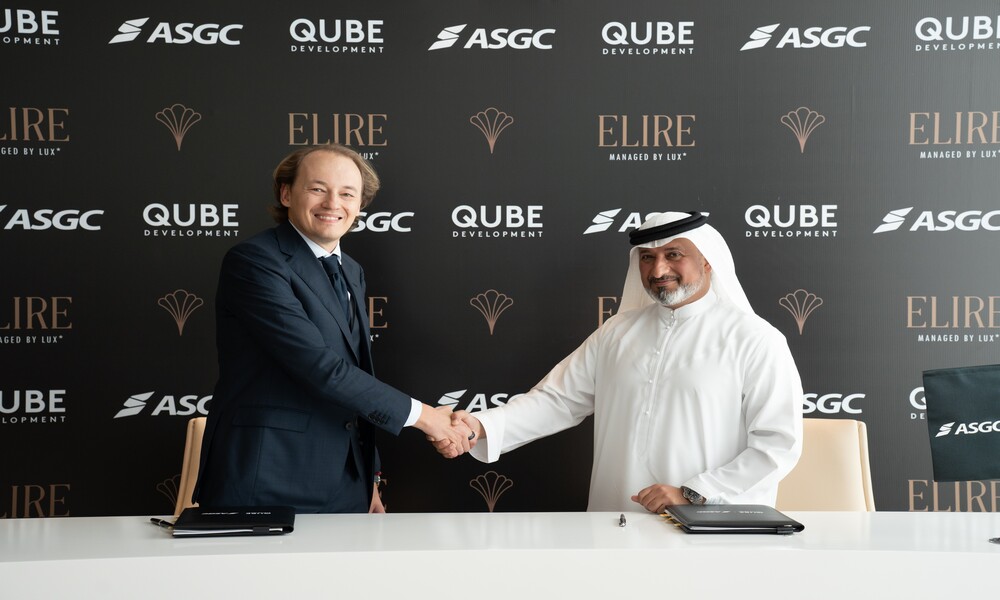
Ahmed Fadhel Almehairbi, the Director General of Abu Dhabi Municipality and Jassem Saleh Busaibe, Chief Executive Officer of Aldar Investment, signed the agreement in the presence of Nasser Saleh Farah, Director General of Financial Affairs at the DMT.

Strategically situated in Baniyas, along the Abu Dhabi–Al Ain (E22) highway, the first development will consist of over 30 residential buildings. These buildings will offer a mixed-use lifestyle, featuring residential units, retail spaces, recreational amenities, and open green areas.

The second project, located in MBZ City, will create a mixed-use residential community. This development will combine single-occupancy accommodation and multi-tenant apartments. It will also include on-site amenities and ancillary retail spaces to cater to residents’ daily needs.

Jassem Saleh Busaibe, Chief Executive Officer, Aldar Investment said, “With Abu Dhabi’s population continuing to grow, there is a significant need for new homes to be delivered that cater to a broad range of demographics residing in the emirate. Our collaboration with DMT will ensure thousands of quality rental homes come to the market in well-connected and amenity rich communities, ensuring a fully affordable lifestyle for residents.”

Almehairbi said the partnership with Aldar underscores the DMT’s shared commitment to advancing the objectives of the Value Housing Programme by delivering high-quality, affordable homes that meet the needs of families and individuals alike and enrich community living.

Due for completion in 2029, the 2-communities will offer a diverse unit mix, and are designed to prioritise accessibility and convenience, with direct connections to public transport and major road networks.  Residents will benefit from professionally managed communities featuring amenities, green spaces, and direct access to retail and other essential services.

Source: MEConstructionNews