rta-JAFZA.jpg

June 4, 2026 wicsummit0

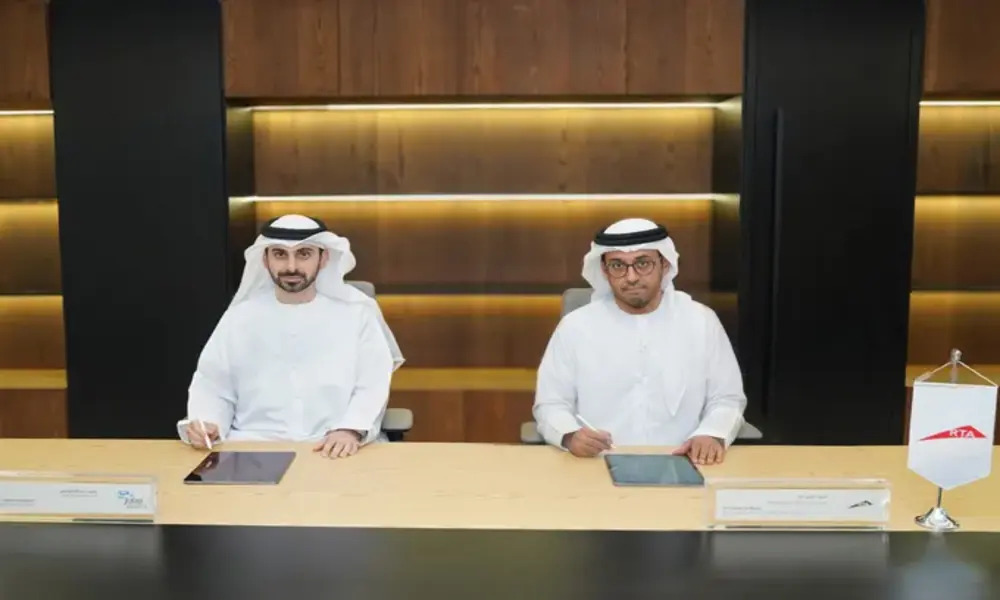
The RTA has signed a cooperation agreement with Jebel Ali Free Zone Authority (JAFZA) to advance regulatory integration in support of implementation of regulating roads within the emirate.

The agreement aligns with Dubai’s vision and strategic objectives to enhance road safety, elevate service standards across the road network, and ensure the delivery of development projects in accordance with the highest standards and regulatory requirements approved by relevant authorities.

The agreement was signed on behalf of RTA by Hussain Al Banna, the CEO of Traffic and Roads Agency at the RTA, and on behalf of JAFZA by Abdulla Al Hashmi, COO, Parks and Zones, DP World GCC.

Speaking on the occasion, Al Banna said, “The RTA remains committed to enhancing infrastructure within the road right-of-way across Dubai, including development areas and free zones, as part of its mandate to preserve the emirate’s urban character and aesthetic identity.”

“These agreements strengthen the alignment of plans and strategies governing the roads sector by establishing a unified framework to guide strategic direction and oversee implementation, thereby supporting the continued development of Dubai’s road network,” he stated.

Al Banna pointed out that this agreement underscores the importance of close collaboration between the RTA and its strategic partners, including developers, to enhance the efficiency and sustainability of road infrastructure across the emirate.

It also supports the sustained management and operation of road rights-of-way, associated facilities and pavements in line with approved best practices, he noted.

Al Hashmi expressed delight at collaboration with the RTA on this strategic initiative aimed at advancing road infrastructure standards in Dubai.

“This agreement reflects our continued commitment to supporting the emirate’s vision of achieving the highest levels of road safety and operational excellence,” he noted.

“At DP World, we remain committed to aligning our development plans with approved requirements and standards. This cooperation strengthens integrated efforts to ensure sustainable infrastructure that supports economic growth and provides a safe and seamless environment for the business community and residents,” he added.

The RTA said it has signed similar agreements with leading developers and free zones across the emirate. These include cooperation with Jafza; Dubai Maritime City; Union Properties; Dubai Sports City; Wasl Properties; Emaar Properties; Damac Properties; Majid Al Futtaim Properties; Nshama; Al Futtaim Real Estate; Dubai Multi Commodities Centre (DMCC); Dubai Healthcare City Authority; Dubai Investments Park; and the Dubai Integrated Economic Zones Authority.

Source: MEConstructionNews


acc.jpg

June 4, 2026 wicsummit0

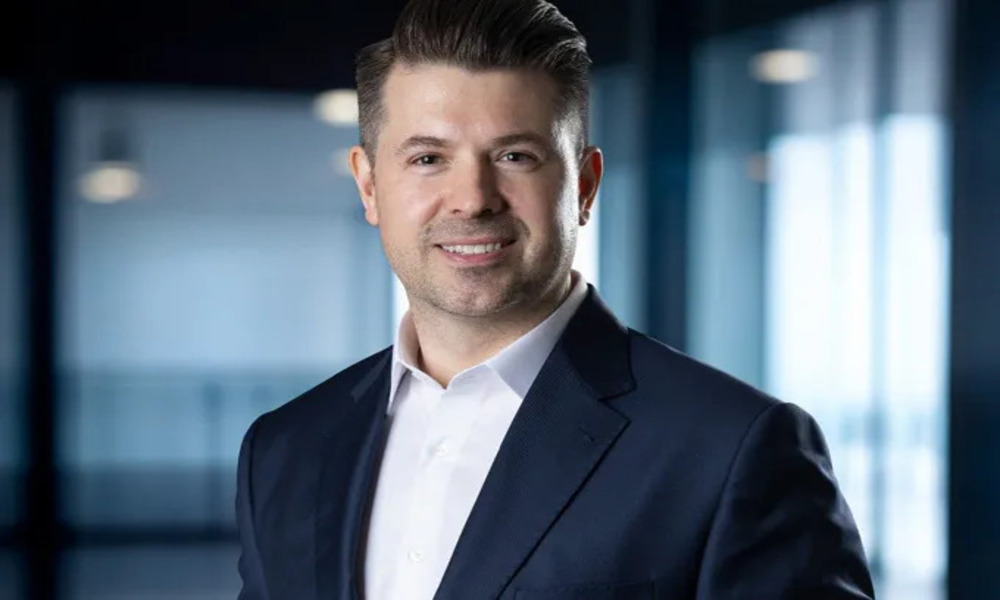
The ACC Group has appointed Eric Savage as its new Chief Technology Officer (CTO). The appointment comes as ACC Group continues to expand its capabilities in response to growing project complexity and evolving operational demands across the construction sector.

Savage brings more than 18-years of international experience leading enterprise technology IT strategy and transformation programs across the Middle East, Europe, and Africa. His experience spans construction, energy, and real estate sectors, the firm said.

As part of his role, Savage will lead ACC Group’s technology strategy, overseeing enterprise systems, cyber security, IT infrastructure, data initiatives and digital innovation across the business.

He will work closely with the leadership team to support operational efficiency, scalability and more integrated project delivery across the group’s global operations.

On his appointment Savage said, “ACC has built a strong reputation for delivering complex projects across multiple regions. Technology is becoming increasingly important in how projects are planned, managed, and delivered. I look forward to contributing to ACC’s digital transformation and driving innovation in every aspect of my role, from overseeing business solutions and sourcing to digital enablement.”

Welcoming him into the fold, Group CEO Maher Merehbi said Savage’s appointment reflects ACC’s continued focus on strengthening its technology capabilities and supporting operational excellence across the business.

“As a technology executive with over 18-years of experience and a proven track record in delivering operational excellence across various businesses, Eric has the right profile to lead ACC’s strategic transformation initiatives,” he stated.

Source: MEConstructionNews


Kuwait-Airpot-Damage_1000x600.jpg

June 4, 2026 wicsummit0

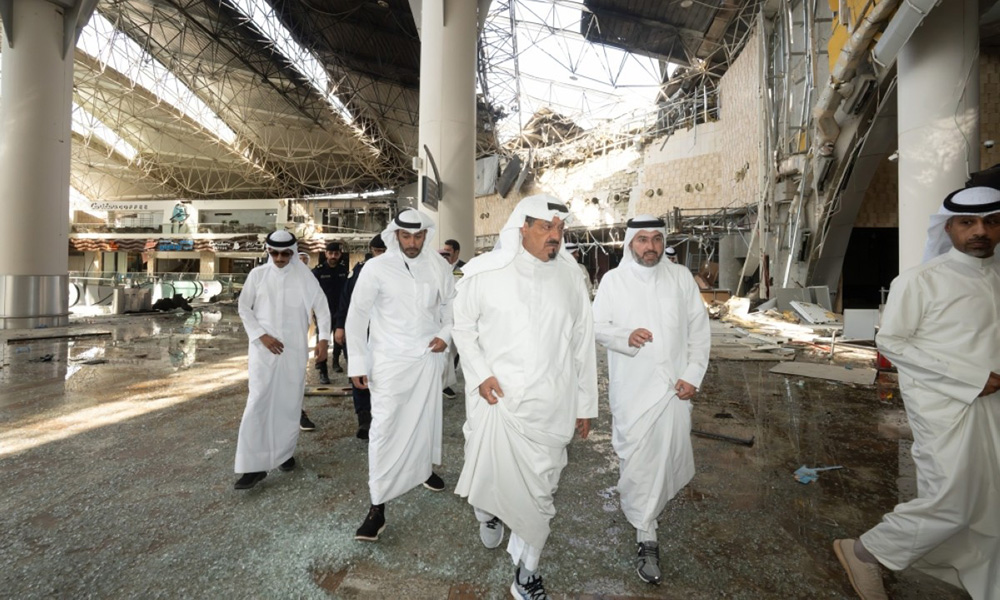
An official spokesperson for the Ministry of Defence in Kuwait confirmed that a passenger terminal (Terminal 1) at Kuwait International Airport was attacked by Iranian drones on the morning of 3 June.

Brigadier General Saud Abdulaziz Al-Otaibi said that the attack saw several people sustain injuries, while the terminal suffered significant material damage. He confirmed that the armed forces were monitoring the situation, and said that the injured were receiving medical care.

The Kuwaiti News Agency (KUNA) reported that following the attack, Kuwait’s Prime Minister Sheikh Ahmad Abdullah Al Ahmad Al Sabah visited Terminal 1 to inspect damage caused by the attacks. During the visit, Sheikh Ahmad was briefed on the circumstances surrounding the death of a victim and the injuries sustained by others in the attack, as well as the extent of the damage inflicted on the terminal and several airport facilities.

The Prime Minister reviewed assessments prepared by relevant authorities on the impact of the strike, and ongoing efforts to secure the site and restore normal operations.

Sheikh Ahmad stressed the importance of taking all necessary measures to ensure the safety of employees and personnel at the site, and instructed the relevant authorities to proceed with all required repairs and rehabilitation work to restore the terminal’s operational readiness as quickly as possible.

Sheikh Ahmad also expressed his appreciation to airport staff and emergency response teams for their swift handling of the incident, praising their rapid implementation of the necessary measures and their effective management of the situation.

Kuwait International Airport is located in the Farwaniya Governorate of Kuwait and is the primary hub for Kuwait Airways and Jazeera Airways. The airport has been expanding its operations in recent years, with the construction of Terminal 2 commencing in May 2017 and now scheduled for opening in the last quarter of 2026. The new terminal aims to achieve LEED Gold certification and is said to be an integral part of Kuwait Vision 2035.

The already operational Terminal 4 and Terminal 5 are exclusively used by Kuwait Airways and Jazeera Airways respectively.

Source: MEConstructionNews


Sustainabilityy.jpg

June 4, 2026 wicsummit0

AECOM’s Middle East leadership team is calling for the region’s next generation of infrastructure to balance scale and speed with environmental stewardship, resilience and long-term social value. The call comes in alignment with World Environment Day 2026 – one of the UN’s flagship initiatives to encourage worldwide awareness and collective action to protect the planet.

The call comes at a time where cities across the Middle East continue to evolve with nation-shaping infrastructure projects that are redefining skylines, coastlines and communities.

While governments pursue ambitious economic diversification strategies and transformative urban growth, the pressure to ensure these developments remain environmentally responsible and socially resilient has never been greater, AECOM highlights.

This challenge sits at the heart of what the company describes as ‘responsible progress’ where stakeholders deliver complex, high-performance infrastructure that creates long-term value, while reducing environmental impact and strengthening community wellbeing.

Craig Thackray, Vice President, Environment, AECOM Middle East & Africa notes the conversation around sustainable infrastructure in the region has evolved significantly over the last decade.

He says, “When I started working in sustainability in this region, the conversation was largely about compliance. Today, clients are asking entirely different questions: will this infrastructure perform in 2050? Will it align with national Net Zero commitments? Will it deliver measurable environmental and social value across its full lifecycle?”

AECOM says the shift reflects the growing reality of climate pressures across the Middle East and Africa, where rising temperatures, water scarcity, flooding risks and resource constraints are already influencing how infrastructure must be planned, designed and operated.

In this respect, AECOM states that it’s vital to respond to these pressures long before construction even commences. The company says it places strong emphasis on integrating sustainability, resilience and environmental performance at the earliest stages of planning and design.

Namitha Thomas, Senior Engineer: Environment at AECOM explains that the most consequential sustainability decisions are often made before a single building orientation, layout or material specification is finalised.

She explains, “The most powerful sustainability decisions are made before the first line is drawn. Once a layout is fixed or materials are selected, the range of possible environmental outcomes narrows dramatically.”

AECOM also says that its environmental approach is also increasingly focused on resilience and nature-positive design, particularly as Middle Eastern developments confront more extreme climate conditions.

Balancing rapid urban expansion with ecosystem protection requires integrated, multi-disciplinary planning from the outset, according to Dana Maalouf, Engineer: Environment at AECOM.

“Desert habitats, coastal systems and marine biodiversity are not obstacles to development. They are ecological infrastructure that underpins long-term resilience,” she states.

Across projects in Saudi Arabia and the wider Gulf region, AECOM notes that it is integrating environmental baseline mapping, climate risk analysis, water efficiency strategies, biodiversity considerations and nature-based solutions directly into master planning processes. The company also says that nature-based solutions are becoming increasingly important in addressing climate adaptation challenges such as flooding, heat mitigation and water security.

On one recent project, infrastructure was strategically graded to protect critical assets during extreme rainfall events, while landscaped public park areas were designed to safely absorb stormwater runoff, with minimal disruption to surrounding communities, the firm shares.

AECOM also explained that innovation is playing a growing role in reducing environmental impact, and says that it is deploying AI-enabled design optimisation, digital twins, lifecycle carbon modelling and advanced materials analysis to improve infrastructure performance, while minimising resource consumption.

Additionally, the company said it is integrating renewable energy systems, district cooling optimisation, water recycling networks and circular economy principles into major developments across the region.

“Infrastructure today must do more than minimise harm. The goal increasingly is regenerative development, creating cities and communities that actively restore and enhance natural systems rather than simply reducing environmental damage,” Thackray says.

AECOM’s leadership also stresses that accountability must match ambition as governments across the region accelerate large-scale development agendas. The firm stresses that accountability and measurable outcomes are essential to ensuring ambition does not come at the expense of long-term environmental and social stability.

Here, Thomas argues that sustainability commitments must move beyond aspirational messaging and become operational requirements embedded into governance, procurement and delivery frameworks.

She explains, “Ambition without accountability is how you end up with infrastructure that underperforms, ecosystems that are irreversibly damaged and public trust that is difficult to rebuild.”

The firm says it addresses this particular issue through measurable sustainability targets, environmental management systems, ESG risk frameworks and transparent reporting aligned with global standards such as TCFD and SASB. The company notes that it aligns its work with regional and international sustainability frameworks, including LEED, BREEAM, ESTIDAMA, WELL and Envision certification systems, many of which are becoming increasingly mandatory across Middle Eastern infrastructure and development projects.

Partnerships also play a critical role in maintaining accountability across complex, multi-stakeholder projects, the firm outlines.

Thackray adds, “Climate change is a global challenge, and accountability has to be shared across governments, developers, designers, contractors and supply chains. Successful delivery depends on collaboration and collective responsibility.”

Here, AECOM’s Middle East leadership highlights that World Environment Day serves as an important reminder that the built environment sector holds enormous influence over the long-term environmental trajectory of cities and communities.

The decisions made today in planning meetings, procurement processes and design reviews will shape resource consumption, climate resilience and quality of life for generations to come, it adds.

“Ambitious development and environmental responsibility must go hand in hand. Sustainability cannot be treated as a secondary consideration or a communications exercise. It must be embedded into every stage of delivery,” Maalouf stresses.

Thackray agrees and adds that the industry has an opportunity and responsibility to rethink how infrastructure interacts with natural systems and communities.

He concludes, “We should be asking ourselves not only how to reduce harm, but how to create mutual benefit between human development and the natural environment. Every project is an opportunity to improve resilience, restore ecosystems and build a better future.”

Source: MEConstructionNews


GF-Saudi1_1000x600.jpg

June 3, 2026 wicsummit0

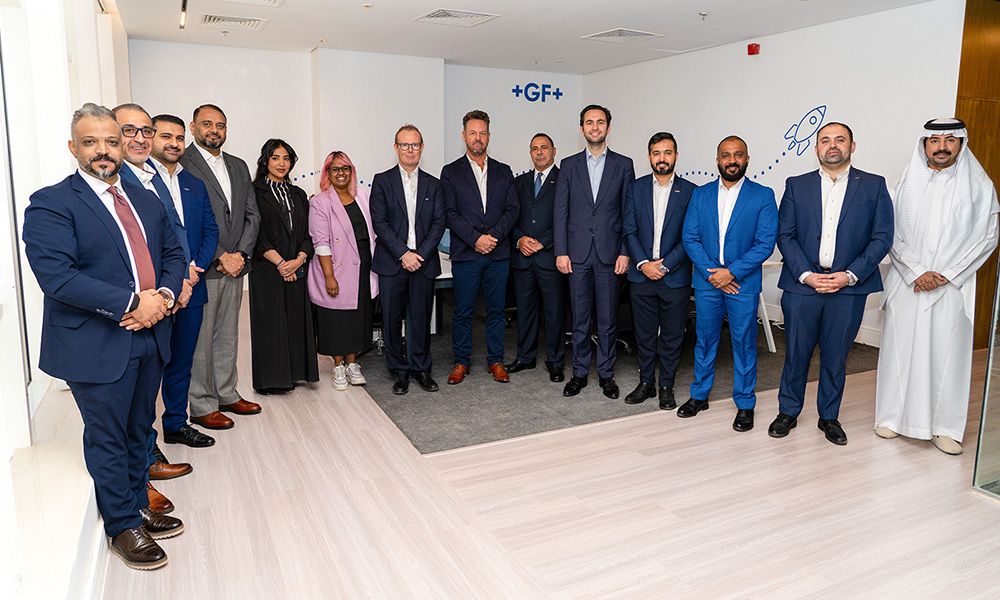
With the establishment of a company in Saudi Arabia, and the opening of its commercial office in Riyadh, Georg Fischer (GF) said that it is bringing its global flow solutions expertise closer to customers in the Kingdom.

The move is said to be in support of the country’s ongoing transformation and highlights the company’s commitment to the Kingdom.

With its comprehensive flow solutions, the company is uniquely positioned to address applications across infrastructure, industrial, and building segments – notably supporting water security and availability across the Kingdom, the firm said in a statement.

The firm explained that Saudi Arabia’s ambitious transformation demands water infrastructure at extraordinary scale: from desalination, water distribution, water usage in buildings and industries, to water treatment. It added that the moves are backed by strong investments in its local term.

“Saudi Arabia is not a new market for us, but this important step reflects our confidence in Saudi Arabia’s transformation and will further support our ability to help solve the Kingdom’s water challenges,” said César Sayegh, General Manager of GF Middle East, North Africa & Turkey (GF MENAT).

The firm said its new office in Riyadh puts more than 10 specialists on the ground, close to the Kingdom’s projects, technical requirements, and delivery timelines, backed by GF’s global manufacturing network across more than 40 countries and GF’s well-established distribution partners in the KSA.

“This step brings our global expertise closer to Saudi Arabia through a strong commercial and technical presence. As our business grows alongside the country’s ambitions, GF is committed to progressively increasing local investments and building rewarding career opportunities for Saudi talent and partners,” Sayegh concluded.

Source: MEConstructionNews


Hussain-Sajwani_-Founder_-DAMAC-Group_1000x600.jpg

June 3, 2026 wicsummit0

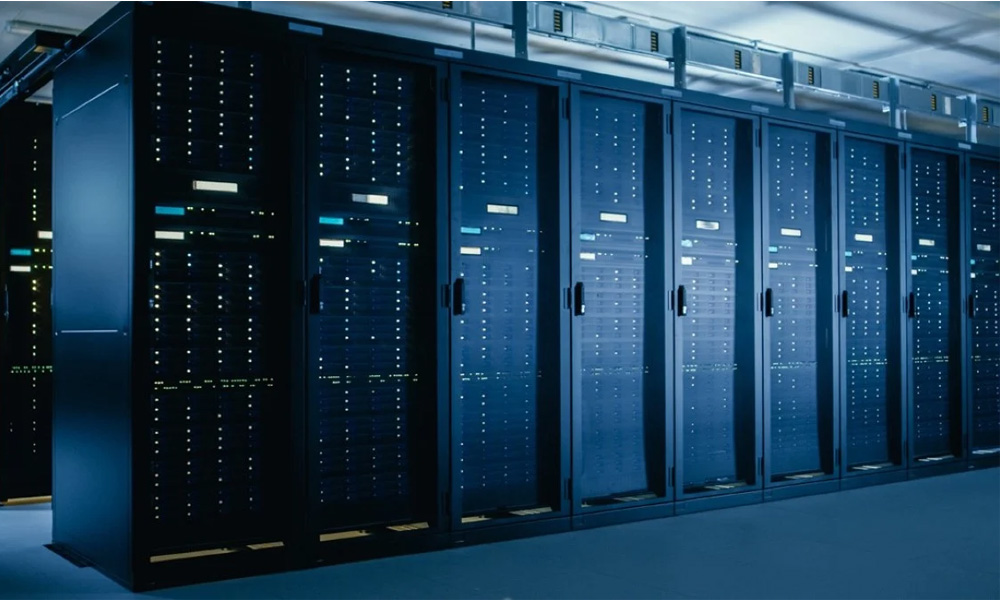
DAMAC Digital has said that its planned IT capacity landbank has reached 6,000MW across 13 countries and a planned portfolio of over 35 sites.

The company, which is the global digital infrastructure provider owned by DAMAC Group, said it is on a trajectory of global expansion, amid accelerating demand for AI, cloud computing and digital infrastructure.

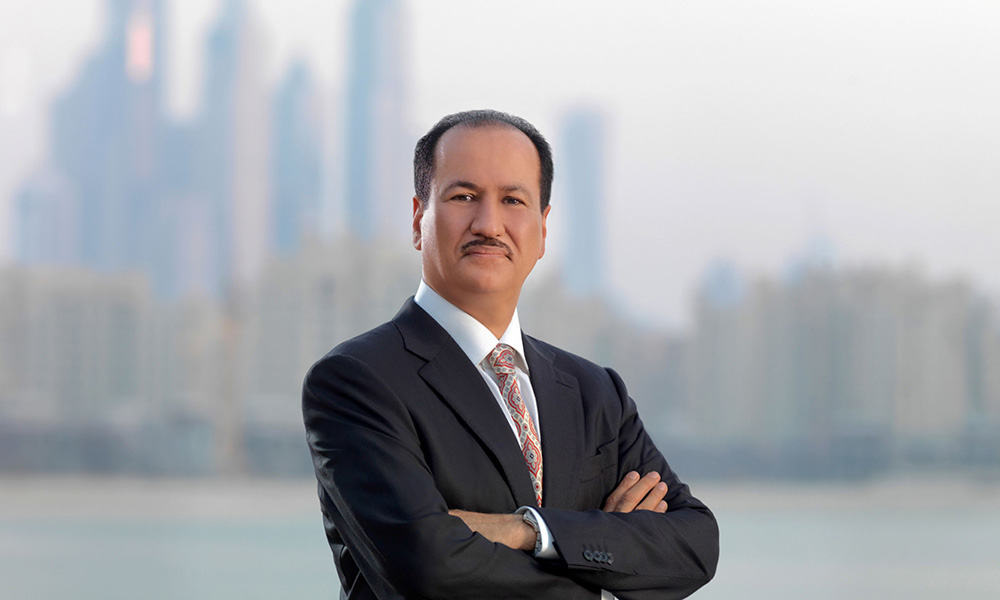
“Digital infrastructure is the foundation on which economies, businesses and governments operate. DAMAC Digital was created to build that foundation for the AI and cloud era,” explained Hussain Sajwani, Founder of DAMAC Group.

DAMAC Digital said it is targeting 2GW of operational capacity by the end of Q1 2028. The firm said it has broken ground on 10 new sites in the last 5-months, with 8-sites expected to be operational by the end of 2026. By Q1 2027, DAMAC Digital is targeting more than 700MW of operational capacity across over 14 sites, said a statement.

Having signed partnerships with five global hyperscalers, DAMAC Digital is a trusted partner for the world’s leading technology companies. The firm is said to boast a growing team of more than 600 employees, spanning design, procurement, construction, operations and other support functions across three continents. The company’s European markets include Spain, Italy, Greece, Turkey and the Nordic region, while in Asia, it is expanding across Thailand, Indonesia, Malaysia and the Philippines. DAMAC Digital has already achieved operational capacity in Saudi Arabia and Thailand, it added.

DAMAC Digital explained that its global pipeline supports high-density compute, cloud growth, national digital transformation and the increasing need for sovereign digital infrastructure. DAMAC Group’s long-standing experience in land acquisition, development, construction and large-scale project delivery, enables DAMAC Digital to secure strategic sites, manage complex permitting and zoning requirements, and bring capacity to market at speed.

The firm also said that today it is serving the growing requirements of hyperscalers, cloud service providers, enterprises and AI-driven workloads. With over 90% of its data centres designed with liquid cooling infrastructure, DAMAC Digital’s facilities are built to support the latest generation of AI accelerators, including NVIDIA’s Vera Rubin platform, it added.

Founded in 2021 by Hussain Sajwani on the conviction that data centres would become one of the most important infrastructure classes of the decade, DAMAC Digital began with a 12MW campus, building operational discipline and delivery capability that underpins its global expansion, the statement concluded.

Source: MEConstructionNews

Madar.jpg

June 3, 2026 wicsummit0

Masdar has signed an agreement with China’s Sungrow to procure energy storage systems (ESS) and photovoltaic (PV) inverter solutions for a gigascale round-the-clock renewable energy project (RTC) in Abu Dhabi.

In a press statement Sungrow announced its commitment to provide 7.5-gigawatt-hours (GWh) of PowerTitan 3.0 Battery Energy Storage System (BESS) and 2.6 gigawatts (GW) of photovoltaic (PV) inverter solutions.

The agreement follows a recent announcement by China’s JinkoSolar, which previously signed an agreement with Masdar to supply 2GW of high-efficiency PV modules for the project.

The RTC project, a collaborative effort between Masdar and Emirates Water and Electricity Company (EWEC), is poised to commence operations in 2027. This development integrates a substantial 5.2GW of solar photovoltaic (PV) generation capacity and a 19GWh battery energy storage system (BESS). The project aims to provide a continuous supply of base load renewable electricity at globally competitive tariffs.

Sungrow’s project aims to deploy over 1,000 PowerTitan 3.0 liquid-cooled ESS units, integrated with cutting-edge PV inverter technologies. These systems are designed to operate on an optimised cycle of 8-hour charging and 16-hour discharging, ensuring a stable and flexible renewable energy supply.

The press statement revealed that the systems can operate at temperatures up to 55-degrees Celsius without any degradation, making them well-suited for the UAE’s climate. Once operational in 2027, the RTC project is anticipated to become the world’s first gigascale renewable energy project capable of providing baseload renewable electricity.

Last year, Masdar appointed India’s Larsen & Toubro and China’s POWERCHINA as the preferred engineering, procurement, and construction (EPC) contractors for the development project. Earlier, supplier selections also included Chinese companies JA Solar for photovoltaic (PV) modules and CATL as the preferred battery energy storage system (BESS) supplier.

Source: MEConstructionNews

DSV.jpg

June 3, 2026 wicsummit0

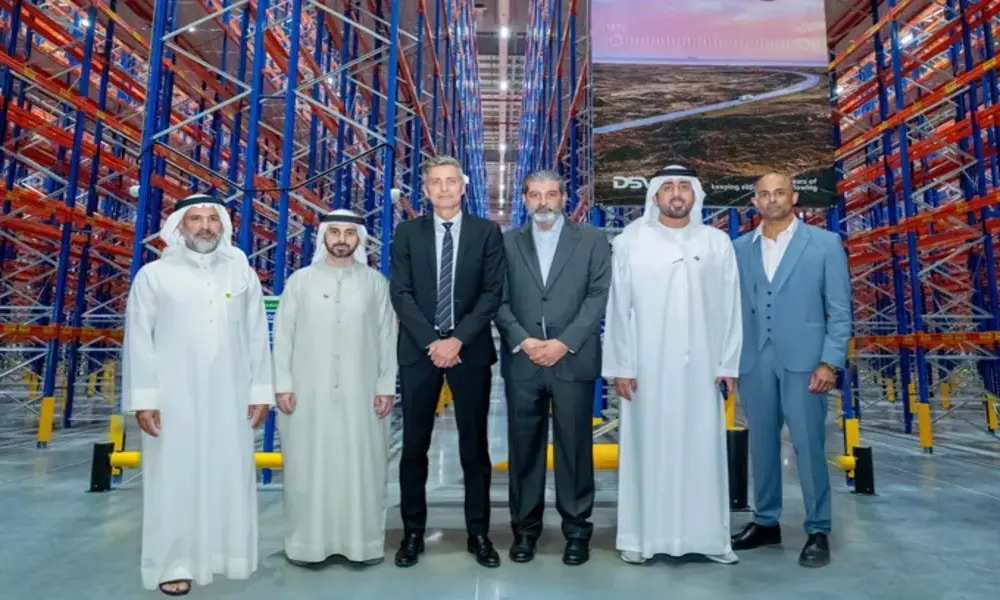
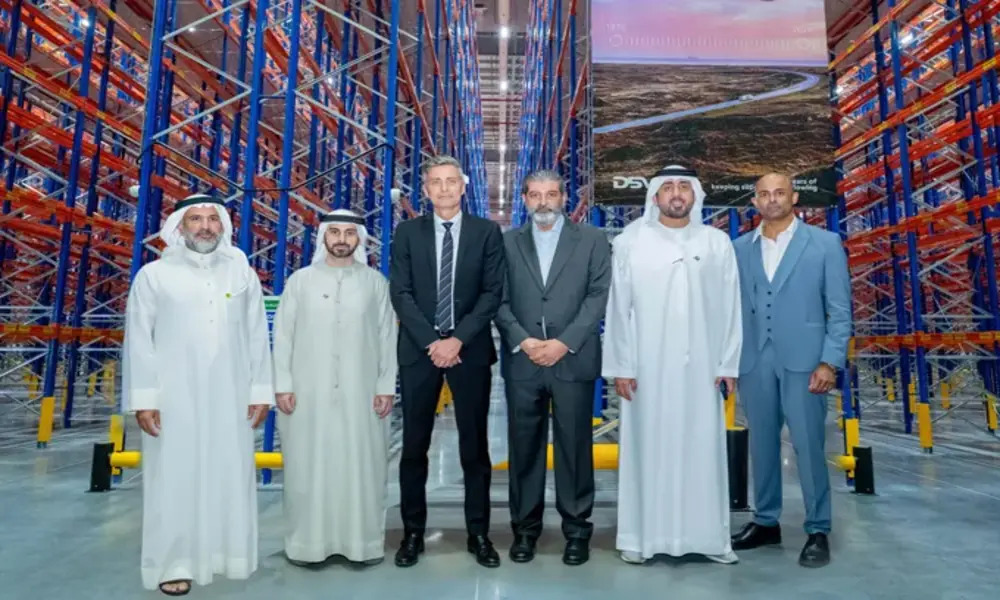
DSV and Arcapita Group Holdings Limited have announced the completion of a new 30,000sqm build-to-suit logistics warehouse at Dubai’s Jebel Ali Free Zone (JAFZA). The firm said it is continuing to invest in capacity and capabilities in Dubai, reflecting its confidence in the market’s long-term growth and the role of the UAE as a global trade and logistics hub.

Chrys Mendonca, Managing Director of DSV Dubai said, “I’m excited to open this state-of-the-art facility expanding our capabilities to serve both our regional and global customers. Even in a period of unrest and uncertainty in parts of the Middle East, we are expanding capacity because we trust the region’s long-term growth and the UAE’s role as a gateway for global trade.”

The warehouse has been delivered as a turnkey build-to-suit development. Lintara Properties coordinated the development and construction, with Group AMANA serving as main contractor and utilising advanced construction methodologies, including modular and off-site techniques, to deliver the facility efficiently and to specification, a statement from the firm explained.

Isa Al Khalifa, Managing Director of MENA Real Estate at Arcapita and Chief Executive Officer of Lintara Properties said, “This build-to-suit facility demonstrates the ability of Lintara Properties, together with Arcapita, to originate and deliver complex, high-specification logistics assets for global blue-chip tenants. Purpose-built to handle increasingly complex requirements – from pharmaceutical and temperature-controlled goods to hazardous materials – the warehouse is able to support supply chains with resilient, sustainable and best-in-class logistics solutions.”

Located within DSV’s JAFZA South Campus, the new warehouse further strengthens DSV’s operational footprint in Dubai – a critical gateway for regional and international trade – and enhances the company’s ability to scale with customers as supply chains continue to evolve.

Built on DSV’s proven design concepts and refined through years of operational best-practice feedback, the Grade A facility expands DSV’s capacity to serve customers with increasingly complex supply chains. It features high-bay storage with a maximum internal storage height of 17.3m, capacity for approximately 75,000 pallet positions, and extensive loading, docking and covered external storage areas. The warehouse is located within the same plot as DSV’s local headquarters, supporting seamless daily operations and close customer dialogue.

Source: MEConstructionNews

cedarwood.jpg

June 3, 2026 wicsummit0

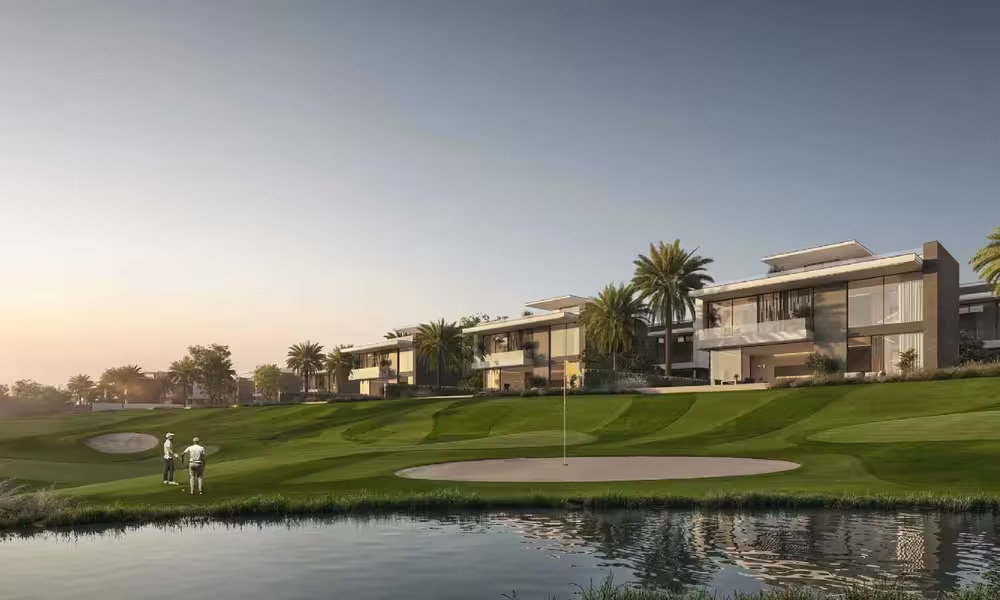
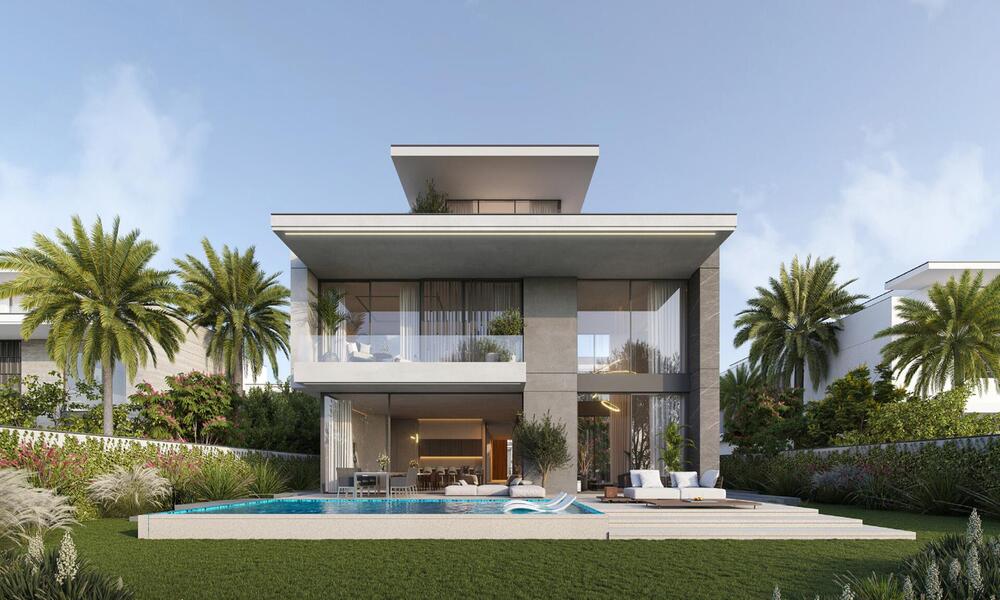
Wasl Group has announced the launch of Cedarwood Estates South, the latest addition to its growing freehold portfolio across Dubai. The project introduces a limited collection of golf view villas shaped by the landscape and setting of Jumeirah Golf Estates, the firm said.

Building on the success of the fully sold-out Cedarwood North district, it follows the natural contours of the golf course, comprising 74 villas across 4-to-6-bedroom layouts, with generous plot sizes and open interiors, creating a unified and thoughtfully integrated living experience.

Each villa is positioned to maximise fairway and golf views, while maintaining a strong sense of privacy and retreat, with terraces, shaded patios and landscaped courtyards.

Cedarwood Estates South is supported by a rich lifestyle ecosystem that brings together leisure, wellness, education, and connectivity.

Residents will have access to a private country club and a world-renowned 18-hole golf course, alongside the Mandarin Oriental hotel, equestrian village, and central park. Active living is further enhanced through dedicated cycling and jogging tracks, as well as a tennis stadium, ensuring a well-rounded and connected lifestyle within the masterplan. Within Cedarwood Estates South, residents will benefit from a thoughtfully integrated lifestyle offering, including a country club, concierge services, advanced security control, EV charging provision, and guest valet parking, the firm said in a statement.

Mohamed Al Bahar, Director of Business Development at Wasl Group said, “Reinforcing the stability of our freehold portfolio remains at the heart of everything we build at Wasl. Cedarwood Estates South is the latest reflection of that commitment, a community defined by its setting and designed with long-term value in mind, supporting both residents and investors seeking enduring value.”

“Freehold developments within masterplans like Jumeirah Golf Estates offer a stability that today’s market is actively seeking, and it becomes even more important to create places that feel private, connected and enduring from the moment they are delivered,” he concluded.

Source: MEConstructionNews