Jason-Morris-KEO_1000x600.jpg

January 12, 2023 wicsummit0

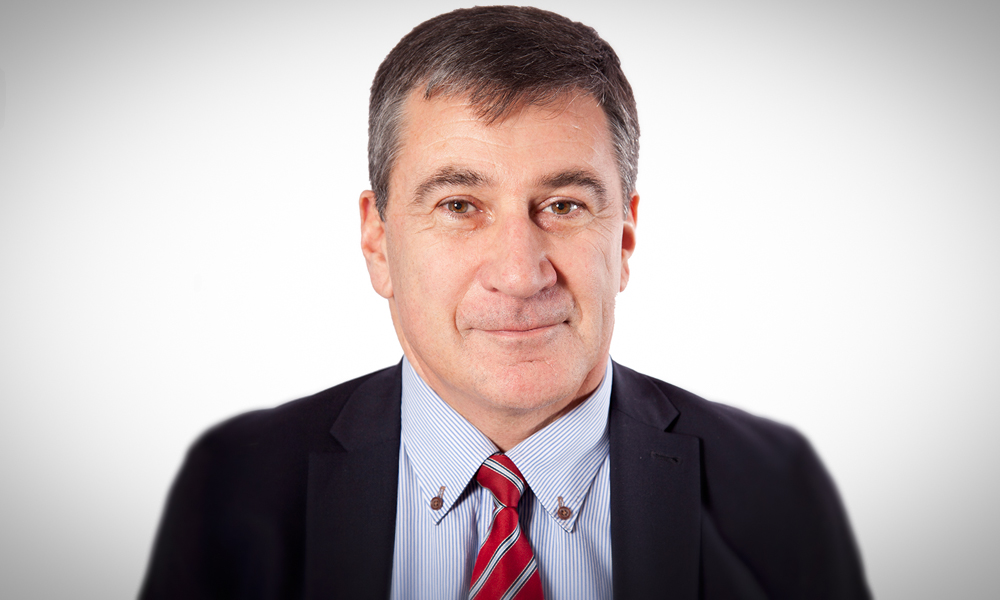
Jason Morris has been minted as the Managing Director of KEO’s Project and Construction Management Division, responsible for overseeing its international operations, the firm has announced.

“We are really excited to bring Jason into our firm. Given his impressive professional achievements in the delivery of PMC services, I have no doubt he will bring incredible leadership and expertise to his new role and as a key member of KEO’s leadership management team,” said KEO’s President and CEO, Donna Sultan.

Jason is said to bring 25 years of international and regional construction and real estate industry experience to his role. Prior to joining KEO, he spent 18 years with AECOM and held holding various senior positions around the globe, including that of Vice President in the delivery of PMC services in Saudi Arabia, Qatar, Australia and other GCC nations.

In early May 2022, KEO appointed Dani Ghandour as GM of its KSA operations and, in early June 2022, KEO’s Ioannis Spanos said reducing GHG emissions requires a coordinated approach.


His qualifications include a MBA in construction and real estate, BSc and Post Graduate Diploma in project management. He is a member of the Association of Project Management, Construction Management Institute of America, Australian Institute of Project Management and is a Chartered Member of the Royal Institution of Chartered Surveyors.

Commenting on his appointment, Morris stated, “I’m excited to be joining KEO, an organisation that shares so many of my own values. The legacy that KEO’s PM/CM teams have thus far forged in the region provides the perfect springboard for continued growth. With a focus on our people, our clients and excellence in delivery we will continue to deliver programs and projects that benefit the communities where we live and work.”

In late October 2022, KEO was appointed as the supervision consultant for DAMAC’s Cavalli Tower project.

The post KEO appoints Jason Morris as MD of Project and Construction Management Division appeared first on Middle East Construction News.

Source: MEConstructionNews


Business-Bay-Dubai_1000x600.jpg

January 11, 2023 wicsummit0

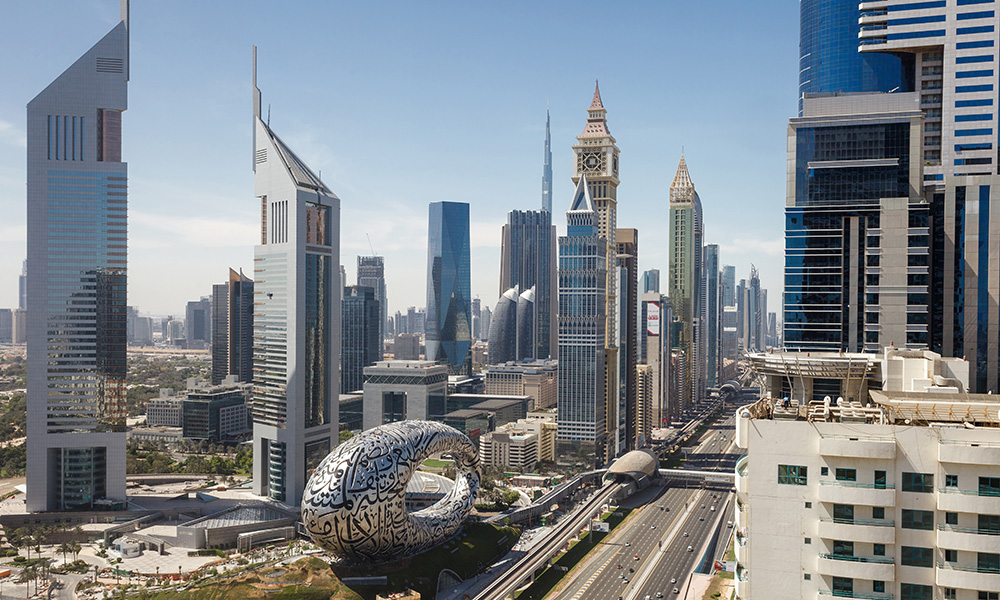
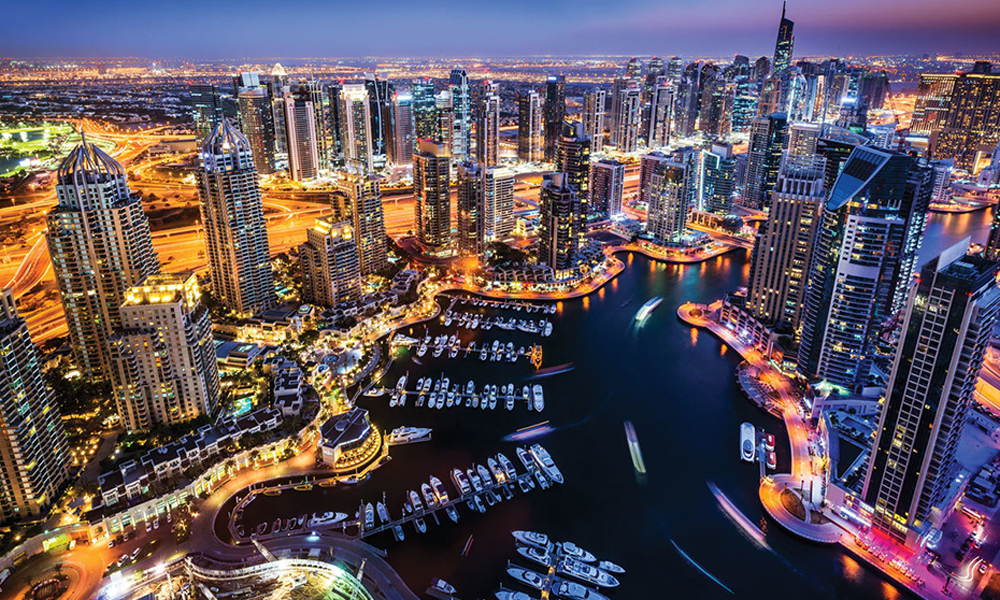
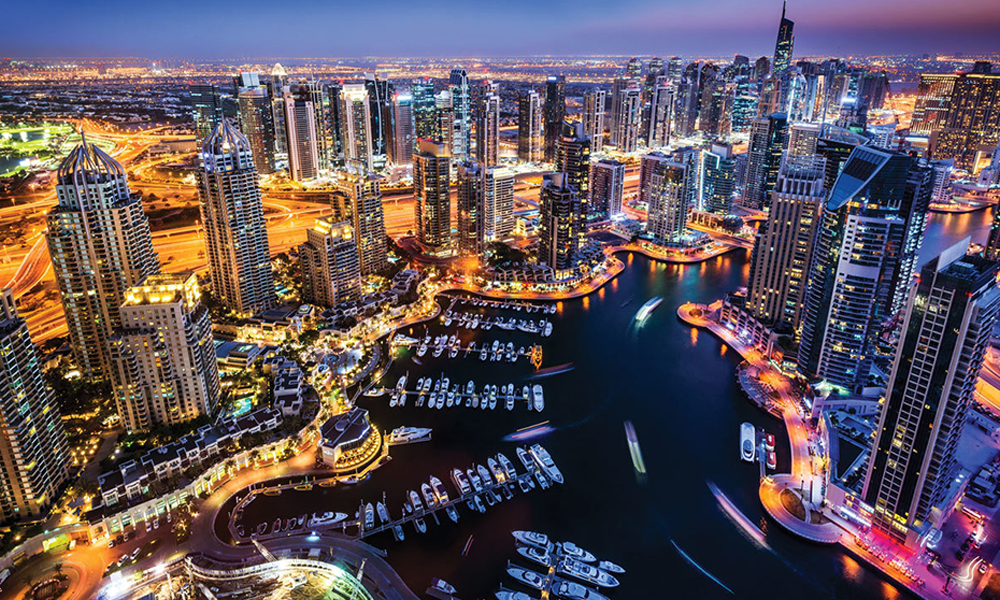
According to a new report by Zoom Property Insights, Dubai saw 97,400 real estate transactions worth $72.3bn in 2022, with many residents and investors opting to buy property in the heart of the city.

With more than 10,300 real estate transactions valued at $4.8bn, at an average price of $327,000, Business Bay led the chart for the highest sales in 2022; the prime area is expected to continue its supremacy in 2023. Other communities that are expected to perform well in the new year are Dubai Marina, JVC, and Downtown Dubai, the report added.

Ata Shobeiry, CEO of Zoom Property, lauded the property market’s remarkable performance in 2022, saying it proved to be a record-breaking year for Dubai real estate in many ways.

“Not only was the market able to surpass the 2014 peak levels, but it also achieved new milestones as the years progressed. The same performance is expected from 2023 as well since foreign investors and high-net-worth individuals continue to get attracted by the Dubai property market and venture into it,” he commented.

In mid December 2022, CBRE said that Dubai’s residential transactions reached a record high.

Around 67,700 apartments were sold in 2022 with an average price of $327,000, according to Zoom Property Insights. It marked a change of 71.1% in terms of the number of transactions and 20.9% in terms of average price compared to 2021.

A further breakdown shows that Business Bay dominated the apartment sector with a little over 9,300 transactions. The average price of apartments here was recorded at $354,000, while the total value of transactions amounted to $3.97bn.

It was followed by Dubai Marina and JVC, as the former recorded 7,320 transactions at an average price of $571,740, while in the latter, 5,690 apartments sold, with the lower average price of $175,000.

Downtown Dubai, Dubai Creek Harbour, and Palm Jumeirah were other notable areas in 2022, which are expected to perform equally well in 2023.

In early January 2023, Realiste said that Dubai’s real estate boom would continue in 2023.

The Zoom Property Insights reveals that 2022 saw a little over 22,600 transactions for villas in Dubai at an average price of $572,000. Compared to 2021, it marked a year-on-year growth of 42.1% vis-à-vis the number of transactions.

Shedding light on top areas, Jebal Ali First remained at the forefront with 2,210 transactions at an average price of $790,000. Dubai South claimed the second spot with 1,485 transactions, the average price of villas in this community was $490,000. Villanova and Arabian Ranches also raked in high numbers with 1,178 and 1,155 transactions, respectively.

Mudon, Dubai Hills, Tilal Al Ghaf, and Emirates Living were other notable communities for villas in 2022. According to Zoom Property Insights, these communities will continue their dominance in the villa segment in 2023.

Also in early January 2023, Knight Frank said that the Burj Khalifa enjoyed a 16% increase in residential sales.

The post Zoom Property Insights reveals top locations for apartment and villa sales in 2022 in Dubai appeared first on Middle East Construction News.

Source: MEConstructionNews


King-Abdulaziz-International-Airport-Terminal2_1000x600.jpg

January 11, 2023 wicsummit0

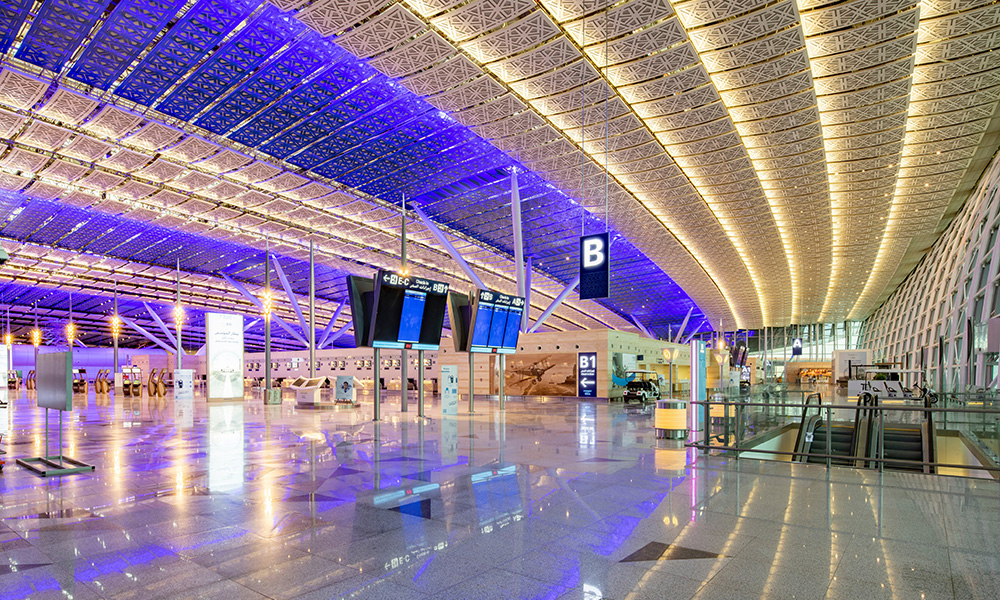
Saudi national carrier Saudia has announced the opening of its new operations building at King Abdulaziz International Airport (KAIA) in Jeddah.

Built entirely by Saudi Airlines Real Estate Development Company (SARED) over a 50,000sqm area, it  boasts an extensive operations control centre, which is said to be the largest facility of its kind in the Middle East, and the 12th largest globally.

According to Saudia, the centre coordinates between the group’s business lines, communicates with aircraft via its state-of-the-art facilities to ensure control of its operational plans, and tracks air traffic across all domestic and international airports in real time. It also features ‘smart’ AI-powered self-boarding kiosks and five luggage carousels, as well as 15 meeting rooms for pre-flight cabin crew briefings. In all, the two-storey building can accommodate more than 1,100 employees.

Moreover, thanks to its strategic location, near the far side of the airport, it provides both pilots and cabin crew members with easy aircraft access, Saudia noted.

In early October 2022, TRSDC confirmed daa International as the operator of Red Sea International airport and, in the same month, Alstom signed a five-year $53mn O&M contract with Jeddah Airports Company.

The building, which boasts state-of-the-art infrastructure and technology, was inaugurated by Prince Badr bin Sultan bin Abdulaziz, the Deputy Governor of Makkah, and Prince Saud bin Abdullah bin Jalawi, Governor of Jeddah.

Throughout the building’s design, construction and deployment stages, SARED had prioritised the incorporation of – and compliance with – the highest safety and security standards. The eco-friendly structure also adheres to the highest international sustainability standards, as well as providing an ideal working environment designed to foster productivity and innovation amongst its employees, Saudia explained.

Engineer Ibrahim Al Omar, Director General of Saudia Group concluded, “We are eager to see the new Saudia Operations building help make our flight services, which span over one-hundred destinations in four continents, more punctual and efficient than ever before. The new infrastructure is not only equipped with innovative technologies that put us right on the leading edge of the world of aviation, but also easily meets the needs of Saudia and other stakeholders throughout the airport.”

In early November 2022, Red Sea Global appointed Reem Emirates Saudi for façade works on RSI Airport.

The post Saudia launches new AI-led operations centre appeared first on Middle East Construction News.

Source: MEConstructionNews


King-Abdulaziz-Port-Dammam_1000x600.jpg

January 11, 2023 wicsummit0

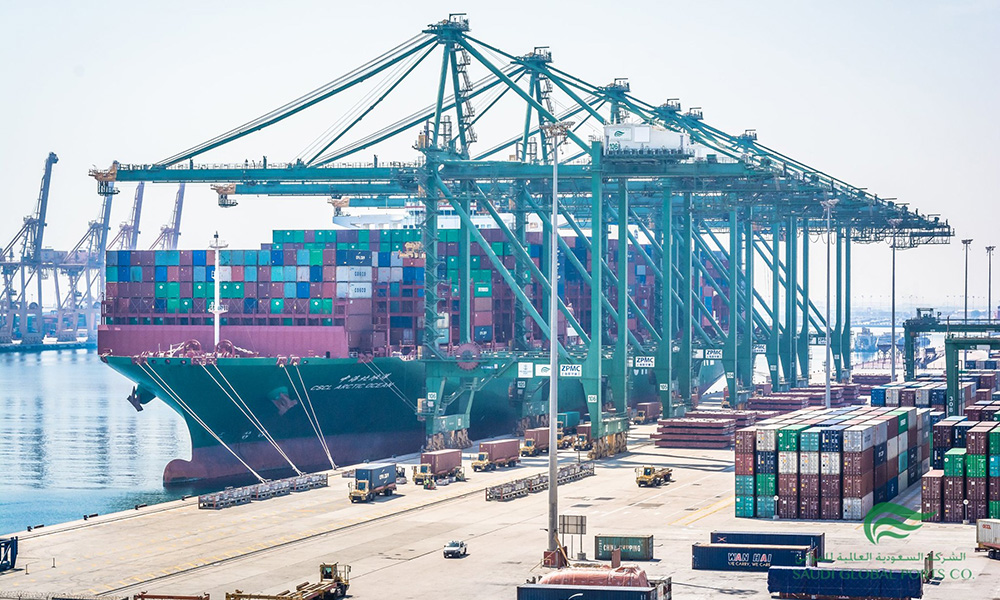
The foundation stone for the upgrade and development of two container terminals at King Abdulaziz Port in Dammam has been laid by the Saudi Ports Authority (Mawani). The $1.86bn project is being undertaken in cooperation with Saudi Global Ports (SGP) under a build-operate-transfer (BOT) model.

The project takes Mawani a step closer to realising its Saudi Vision 2030 inspired roadmap. It is said to be centered around optimising port operations and modernising infrastructure to build a booming and sustainable maritime ecosystem, while fulfilling the aspirations of the National Transport and Logistics Strategy (NTLS) to position the Kingdom as a global logistics destination connecting three continents.

Omar Hariri, President of Mawani and Eng. Abdullah Al-Zamil, SGP Chairman along with other senior logistics and maritime executives attended the launch ceremony.

In mid April 2020, Mawani signed a $1.8bn BOT contract to develop Dammam port.

The project will see the refurbishment of berths and facilities across the port’s first container terminal, in addition to expanding berths and overhauling the container yard within the second terminal. The upgrades will enable the port to handle giant container-ships, Mawani noted.

The project will also add a custom-built sandbox to test cutting-edge technologies and conceptualise new processes before going online.

Apart from generating over 4,000 local jobs, the project is expected to raise the port’s overall capacity by 120% to 7.5m TEUs, and strengthen the nation’s supply chains, boost its foreign trade, and improve the Kingdom’s rank in global indices.

In mid November 2021, Mawani signed an agreement to build a new cruise terminal at King Abdulaziz Port in Dammam.

As part of its long-term strategy to deploy 160 high-impact development projects at a total cost of over $1bn, Mawani said it is keen on partnering with leading industry entities to transform the Kingdom’s ports into engines of growth and investment in the shipping and transportation sectors.

2022 is said to have been a milestone year for King Abdulaziz Port and operator SGP. The year is said to have seen record-breaking annual performances across various indicators including the port’s highest container throughput in its history at over two million TEUs.

In late May 2022, GE Mena Decarbonisation Centre of Excellence (COE) opened in Dammam.

The post Mawani kicks-off $1.86bn upgrade at King Abdulaziz Port in Dammam appeared first on Middle East Construction News.

Source: MEConstructionNews


Kenny-Ingram-Vice-President-for-Construction-Engineering-and-Infrastructure-Industries-at-IFS_1000x600.jpg

January 11, 2023 wicsummit0

In the wake of the turbulent COVID-19 pandemic, the construction and engineering industry will need to continue its fight to become more resilient and agile. As the global market continues to be pressured from new events including recessions, increased supply chain complexity brought by geopolitical conflicts, material price increases and labor shortages, a new layer of uncertainty is making its way throughout the industry. Thankfully, there is huge potential for those looking to adapt and become more resilient.

In this year’s construction and engineering trends and predictions, IFS’ Kenny Ingram, VP of Construction & Engineering and Chris Knight, Global Industry Director of Construction & Engineering have applied their combined 60+ years of industry expertise, to analyse key market data and make three predictions that will navigate the turbulent market dynamic.

Prediction 1: 20% of companies will execute plans within the next four years to have more robust, timely and accurate financial control and governance processes and systems

A recent article from ENR (Engineering News Record) stated that new construction projects will be flat in 2023 so growth is going to be a challenge. In addition, there is a headwind of challenges facing most global economies with high inflation and a recession predicted to hit many countries. With this backdrop companies are recognising they will have to improve their company and project financial control processes and systems. The need to report on a project’s financial status and accurately predict the outcome of a project has never been more vital.

Yet many companies fail to realise that their current mix of disparate processes and systems with poor or no integration are compounding the reliance on an excessive use of Excel spreadsheets to produce financial project control information. Running project and financials on Excel has been proven to hinder performance and prevent companies from meeting their key objective of delivering projects on time, on budget and at high standard.

In the process of determining a prediction that will tackle this issue, we had to first review the current situation (the next two sections will analyse a typical scenario– and highlight some key findings).

At present the most typical situation is one where financial accounting systems exists but have limited integration with the systems that process the cost and revenue transactions that impact the project. These are procurement (materials, services, equipment rental and plant hire), sub-contract packages, labor costs from payroll, time recording and expenses and occasionally manufacturing costs as companies transition to more industrialised construction methods. Without an integrated approach the actual costs and revenue transactions are processed through manual journals, and also manually entered into the finance system and very slow, error prone process that does not allow for any meaningful or real time drill down analysis.

Compounding this, is that commercial and project budgeting and forecasting processes are often managed using a combination of non-integrated point solutions and Excel spreadsheets. Impacted by the lack of suitable technology are activities such as  bidding and estimating, project budget creation, risk and opportunity management, sales and sub contract management, application for payment and certification, project and contract change management (variations), insurances and indemnities, accruals, project and company cash management and forecasting, periodic project cost control, progress and earned value management and project financial forecasting; all of which can in isolation as well as in group negative impact a project outcome.

With this backdrop, we are seeing a strong trend emerging. Companies now want all the above processes and associated data to come from one complete project financial control solution that provides reliable, accurate, timely, trusted project financial status and reporting and more accurate project outcome forecasting. Companies now more than ever understand that they must make this transition to improve their project financial performance, reduce project and business risk and make more informed business decisions.

Prediction 2: 30% of companies will change their construction processes to an industrialised construction model by 2025

How do construction companies evolve from a traditional model and become the next generation construction company? Increasingly, we are seeing the industrialisation of construction processes but we also see that the long-standing challenges of improving productivity, while reducing cost and waste, still remain. There are plenty of examples of companies that have struggled to successfully evolve their operating model using for example, modular construction; we ask how can they transition more successfully?

A recent McKinsey report commented on low productivity in the industry and produced a comparison to show that if the construction industry were able to keep pace with other industries like manufacturing, it could reach a value of $1.6tn per year. The industry’s traditional challenges have been amplified by the global financial pressures and disruptions cause by inflation, parts and material availability and transport challenges, as well as prices increases for materials, and equipment;  all of which are heightened by labor costs and shortages brought on by an aging workforce that is retiring and behind and every widening skills gap, currently estimated to exceed a million workers by 2025.

But, the construction industry is evolving to a new model of working by carefully watching other industries, and their experiences, for example:

  • Standardisation and platforms – assemblies of parts/components are being gathered together off-site, which can increase quality when then brought on-site, and as such reducing time and wastage that would otherwise require people on-site to work and pay
  • Design for manufacturing and site assembly – this approach looks to find the commonality between the systems within buildings across many different sectors and to then design standard kits of parts that can be put together to form the structure of just about any building
  • Digital Design (BIM becomes critical) – being able to take a design, cross discipline, as a model and ensure that ‘getting it right first time’ is possible by identifying where there are clashes of components or design issues
  • More emphasis on structured supply chain process (e.g. part numbering and inventory management) – taking a more ‘work package structure’ approach enables greater control and management of many aspects of material, sub-contract, labor and equipment

Companies will have to transition to industrialised construction processes to drive performance improvements and succeed in the future. In simple terms, companies must be able to execute a hybrid model combining traditional business processes with additional processes such as integrating BIM model data into all stages of the asset lifecycle, supporting construction site based structured work packages, kitting and assembly, standardisation, part numbering and more disciplined supply chain, logistics and inventory control and for some, manufacturing.

It is likely that the first step for many will be to review their business system landscape, simplify and consider whether they need to replace, renew or reuse some of their existing systems with solutions that can support this new hybrid model.

Prediction 3: 25% of companies will move to simplify and standardise their project processes with a single operational platform

We have established there is increased urgency for companies to improve business performance. For construction and engineering companies this starts with improving project performance, meaning project margins, reduction in financial risk, driving up productivity, quality and sustainability, while at the same time reduce the total asset lifecycle cost.
Embedded in this performance goal is the need to deliver projects using standard repeatable processes and achieve predictable, repeatable results.

To achieve this there is an increasing recognition that the business processes and systems that support these processes need to be challenged, reviewed and improved to shift to a lean construction model. These process shortcomings are made worse by complex and ineffective business systems landscape, where data does not flow, and users rely on with Excel to close the gap in data analysis and functionality (something we already established in prediction one).

Addressing this must be seen as the first step for companies if they are contemplating the roll out of world class best practices at the heart of which sit repeatable and standardised processes, and reliable and output focused data structures, which have longevity across multiple projects.

Having the right technology is now acknowledged as a vital foundation to achieving improved project and business performance.

ERP has been hailed as the solution for many years but for most companies it has failed to deliver. There are many reasons for this, but one stands out: too often ERP is seen as an accounting software solution and that for anything else you need a specialised system.

This trend is thankfully starting to change, as the need for end-to-end integration and visibility increases. Construction and industry specific ERP solutions will allow back-office finance and human capital management solutions to be satisfied, as well as the owners of more operational process such as estimating, contract management, project management, risk management and construction site execution processes. One integrated ERP platform is now accepted as the basis to allow companies to adopt standard repeatable processes that positively impact improve project performance.

This realisation for the need to join up processes and data across front and back office in large construction companies does not mean rip and replace with lengthy and costly investment. ERP comes as a composable technology or what is termed a common OSP (Operational Solution Platform), which can co-exist with existing back-office solution. This will also allow operational standardisation and improved project delivery performance to be realized at speed.

Resilience is key in this new reality

Whether you are a general contractor or specialty contractor, EPC or perform a specialised function – the long-running challenges of an aging workforce, increasing skills gap, poor profit margins and low productivity have been ‘manageable’ until now.

In an industry so adverse to change, for those that haven’t incorporated the latest technology innovations such as BIM, drones, IoT, robotics and automated machinery into their transformation journey simply must evolve their thinking into action. Equally, for those that still haven’t added operating methods such as modular manufacturing or offsite construction, why not?

Resilience is what has kept the industry moving and it is what will evolve companies into industry leaders with a more lean, profitable and technological operating model that will not only weather the uncertain times ahead but provide a more reliable platform for success.

Read more:

The post Intensifying economic pressures to drive change within construction and engineering companies appeared first on Middle East Construction News.

Source: MEConstructionNews


QatarEnergy_Petchem_1000x600.jpg

January 11, 2023 wicsummit0

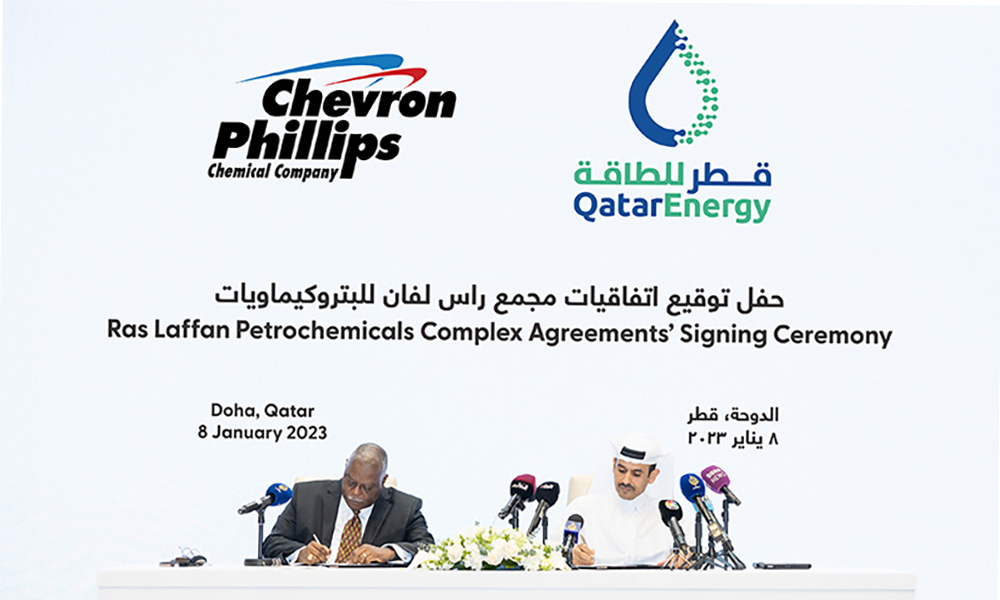
QatarEnergy has announced the Final Investment Decision (FID) with Chevron Phillips Chemical Company (CPChem) to build the Ras Laffan Petrochemicals complex – a US $6bn integrated olefins and polyethylene facility at Ras Laffan Industrial City.

In a statement, QatarEnergy said that Saad Sherida Al-Kaabi, the Minister of State for Energy Affairs, the President and CEO of QatarEnergy, and Bruce Chinn, the President and CEO of Chevron Phillips Chemical, signed the agreement for a joint venture (JV) company to implement the project, in which QatarEnergy will own a 70% equity share, and CPChem will own a 30% share.

The signing ceremony was attended by Mark Lashier, the President and CEO of Phillips 66, and senior executives from QatarEnergy and CPChem.

Saad Sherida Al-Kaabi said: “This marks QatarEnergy’s largest investment ever in Qatar’s petrochemicals sector and the first direct investment in 12 years. It will double our ethylene production capacity and increase our local polymer production from 2.6 to more than four million tons per annum, and place the utmost emphasis on sustainable growth and the environment.”

In late September 2022, Qatar’s Umm Al Houl desalination plant achieved one millions hours without accident.

In addition, QatarEnergy also announced the award of the engineering, procurement, and construction (EPC) contract for the ethylene plant to SCJV, a joint venture company between Samsung Engineering Company of South Korea and CTCI of Taiwan. The EPC contract for the polyethylene plant was awarded to Maire Tecnimont of Italy, while Emerson of the USA was awarded the main automation contract.

“There is no doubt that this cornerstone investment in Ras Laffan Industrial City marks an important milestone in QatarEnergy’s downstream expansion strategy. It will not only facilitate further expansion in the downstream and petrochemical sectors in Qatar but will also reinforce our integrated position as a major global player in the upstream, LNG, and downstream sectors,” Al Kaabi added.

He continued, “This will be further enhanced once the new world-scale petrochemical project in Orange, Texas, in the United States of America comes online in partnership with Chevron Phillips Chemical, executed by our JV Golden Triangle Polymers Company.”

The Ras Laffan Petrochemicals complex is expected to begin production in 2026, consists of an ethane cracker with a capacity of 2.1m tons of ethylene per annum, making it the largest in the Middle East and one of the largest in the world.

Later in September 2022, QatarEnergy and GE inked a deal to step up carbon capture in the energy sector.

It also includes two polyethylene trains with a combined output of 1.7m tons per annum of High-Density Polyethylene (HDPE) polymer products, raising Qatar’s overall petrochemical production capacity to almost 14m tons per annum.

“We are delighted to enter into this exciting new venture with Chevron Phillips Chemical – a leading and highly respected international petrochemicals company, and a long-term partner with whom we have achieved many successes together building and operating plants safely and efficiently for more than 20 years. Together, our large and diverse portfolio will not just help meet the world’s growing needs for advanced plastics and petrochemicals but will also enable balanced growth and facilitate human development in a responsible and sustainable manner,” remarked Al Kaabi.

“I would like to thank everyone who has worked to reach this milestone. We are also grateful to the leadership and guidance of His Highness the Amir Sheikh Tamim bin Hamad Al Thani, for his unwavering support to Qatar’s energy sector,” he concluded.

This final investment decision comes less than two months after QatarEnergy and Chevron Phillips Chemical took the Final Investment Decision to execute the $8.5bn Golden Triangle Polymers Plant on the US Gulf Coast in Texas.

In mid October 2022, Bevan Farmer was elevated to Head of Qatar at Addleshaw Goddard.

The post QatarEnergy and CPChem to build $6bn Ras Laffan Petrochemicals complex appeared first on Middle East Construction News.

Source: MEConstructionNews


Dubai_21000X600.jpg

January 11, 2023 wicsummit0

Dubai saw a record total of 90,881 residential transactions registered over the course of 2022, exceeding the historic high of 81,182 which was set in 2009, a CBRE report has revealed.

CBRE said that the total volume of transactions in Dubai reached 8,662 in December 2022 – a growth of 63% from the previous year. This was supported by a 92.5% increase in off-plan sales and a 35.4% jump in secondary sales, it added.

Taimur Khan, Head of Research – MENA at CBRE in Dubai commented, “Dubai’s residential market saw a number of records being broken over the course of 2022. Residential transactions volumes beat the 2009 high by almost 10,000 transactions. Residential rental growth also reached historic levels, with apartment and villa rents increasing by 27.1% and 24.9%, in 2022, respectively. Due to the lack of available villa stock for rent and growing demand levels for such stock, villa rents are now 45.3% higher than in 2019, with average villa rents standing at US $77,000, once again the highest level on record. Over the same period, average apartment rents are 17.2% higher and stand at $26,000.”

The report pointed out that average property prices rose by 9.5% in the year to December 2022, while average apartment prices rose by 9.0%. Average villa prices increased by 12.8% over the same period. As of December 2022, Dubai’s average apartment prices reached $318 per sqft, and average villa prices reached $377 per sqft.

In late December 2022, the DLD unveiled its new strategic plan for 2023-26.

These average rates have not yet surpassed the record highs of 2014, with the average apartment and villa prices being 21.5% and 4.2% below this peak.

In the apartment segment of the market, Jumeirah has registered the highest sales rate per sqft at $632, whereas, in the villa segment of the market, Palm Jumeirah registered the highest sales rate per square foot at $1,067. In the year to December 2022, average rents increased by 26.9%. Over this period, average apartment and villa rents increased by 27.1% and 24.9%, respectively.

The Palm Jumeirah recorded the highest average annual apartment and villa rents, with asking rents reaching an average of $67,644 and $277,000 per annum, respectively.

“While these figures may be welcome news for landlords who had seen almost six years of softening rents until 2022, the rapid rate of growth will continue to impact demand, where in 2022 the total number of new Ejari registrations fell by 7.0%. Overall, the number of Ejari transactions totalled 540,758, an increase of 10.8% year-on-year,” said Khan.

In early January 2023, Realiste predicted that Dubai’s real estate boom would continue in 2023.

He concluded, “In the year ahead, we expect that both the average rates of price and rental growth will remain positive, however, we expect the rates to moderate and in certain more nascent communities with strong supply pipelines, to decline.”

Also in early January 2023, Knight Frank said that the Burj Khalifa enjoyed a 16% increase in residential sales in 2022.

The post CBRE: Dubai sees record total of residential transactions in 2022 appeared first on Middle East Construction News.

Source: MEConstructionNews

Liv-Lux2_1000x600.jpg

January 10, 2023 wicsummit0

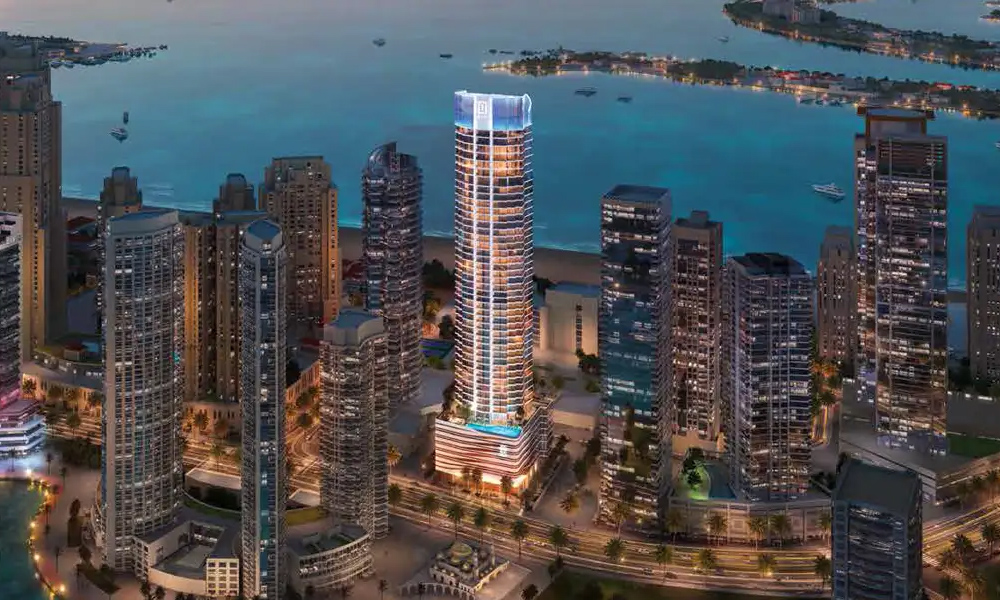
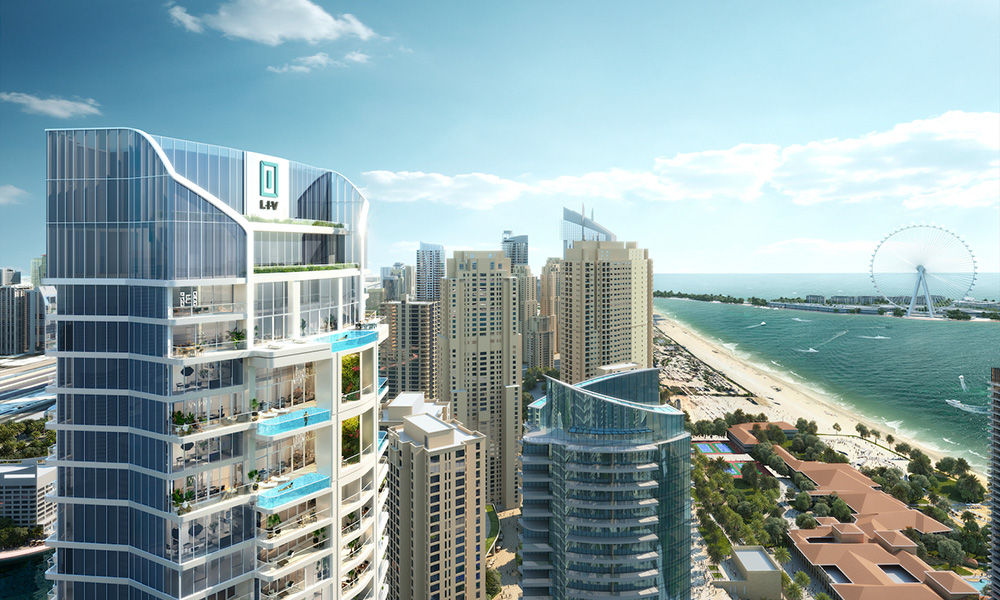
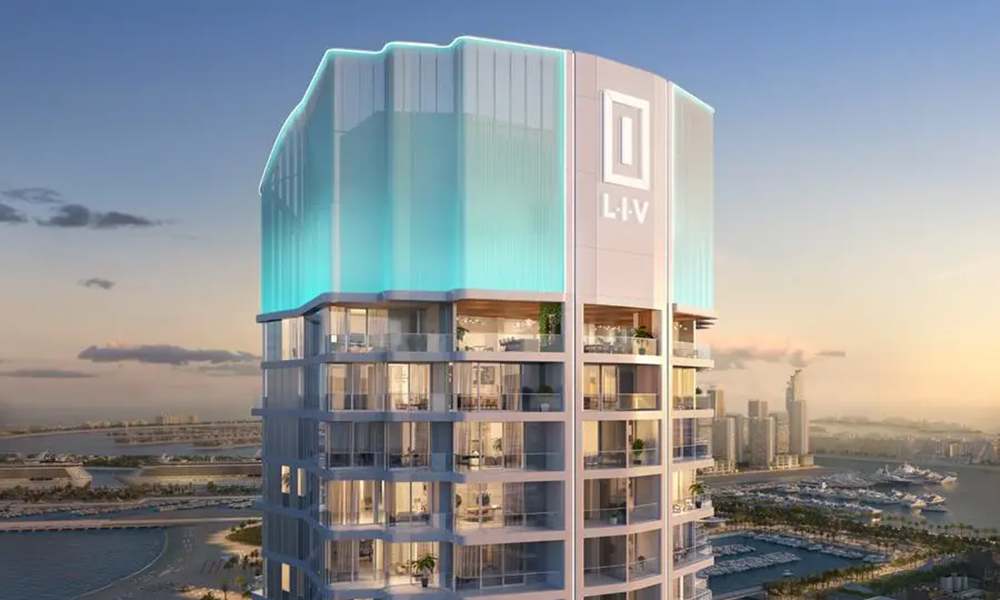
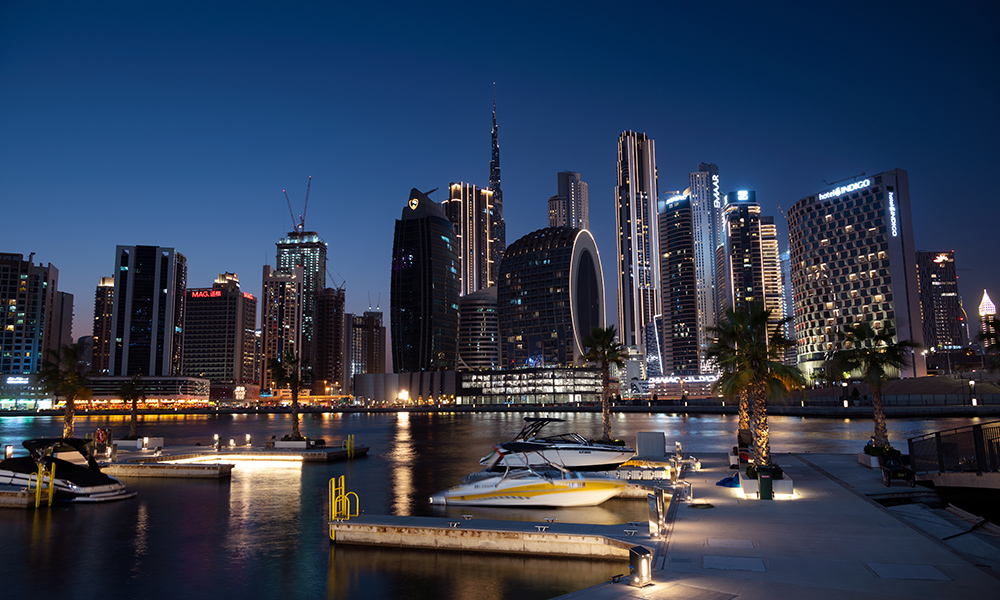
Luxury residential development firm LIV Developers has announced that construction of LIV LUX has commenced in Dubai Marina.

In a statement, the developer said that the G+47 ultra-luxury residential tower is expected to be ready for handover by Q3 2026, and will offer residents and investors state-of-the-art amenities, sea views, smart homes, and resort-style facilities.

The luxury residential project was originally announced in early December 2022.

The project will offer a range of one-, two-, and three-bedroom luxury apartments, as well as the developer’s signature duplex penthouses, which come with sophisticated and modern touches as designed by Atkins, the designers behind Burj Al Arab, Dubai Opera, and Marsa Al Arab of the Jumeirah Beach Hotel extension.

Commenting on the announcement, Ishan Khwaja, Director of LIV Developers said, “We are excited to begin construction on LIV LUX, our third residential project in the heart of Dubai Marina. The demand for luxury and super-luxury residences in Dubai is booming with sales for LIV LUX on pace with our previous luxury residential project, LIV Marina. We look forward to reaching key milestones on our journey to seeing the finished product that is set to be the newest crown jewel of Dubai Marina.”

He added that the property will house a dedicated amenities floor spanning across 27,000sqft including a 27m lap pool, padel court, golf putting green, conference facilities, outdoor cinema, and private residents’ beauty salon.

Bespoke and beach-facing, the developer’s Signature and Penthouse units will enjoy complimentary beach access to Dubai’s largest beach resort in Dubai Marina.  The latest in Smart Home technology will also be deployed in select units, allowing for programmable lighting, AC, and controls for appliances and water features all from the convenience of your smartphone or laptop, the developer noted.

In late December 2022, Al Habtoor Group launched projects worth $2.59bn.

The statement added that LIV LUX will also allow new concepts for property buyers, such as the option to purchase furniture packages, allowing for convenient fit-out of bespoke furniture, increasing the rental yields for investors or allowing for seamless and hassle-free move in.

In early January 2023, Realiste predicted that Dubai’s real estate boom would continue in 2023.

The post LIV Developers begins construction of LIV LUX in Dubai Marina appeared first on Middle East Construction News.

Source: MEConstructionNews

KSA-Crown-Prince-Mohammed-bn-Salman_1000X600.jpg

January 10, 2023 wicsummit0

His Royal Highness Crown Prince Mohammad bin Salman bin Abdulaziz, Prime Minister and Chairman of the Public Investment Fund (PIF) has announced that Diriyah will be PIF’s fifth giga-project, reflecting its status as a unique destination with distinctive cultural, historical, and tourism landmarks.

The announcement from the Crown Prince reflects the work being done to enable the Saudi cultural identity, which includes the Diriyah Project due to its historic, cultural, and political value, while also showcasing 300 plus years of Saudi Arabian history to the world. The project is a globally significant destination that includes the UNESCO World Heritage Site of Turaif District.

These cultural and historical aspects position Diriyah as an unrivaled destination of global significance, where the authenticity of Saudi heritage can be celebrated, revealing the historic origins of modern Saudi Arabia, a statement said.

It added that tourists will have the opportunity to explore and get to know Saudi’s history, and its culture at the city’s museums and purpose-built pavilions. Furthermore, the Diriyah giga-project is expected to enable many strategic domestic sectors, create partnerships with the local private sector, and unlock many new investment opportunities throughout its development and production phases.

In late November 2022, PIF subsidiary SEVEN said it would invest $13.3bn into 21 integrated entertainment destinations in KSA.

These include sectors such as construction, operation and management of hotels, retail, entertainment, and cultural facilities, creating thousands of new job opportunities, and providing a series of initiatives designed to contribute to enriching the quality of life for residents and visitors, the statement continued.

Giga-projects form a key pillar of PIF’s overall strategy, as they are instrumental in creating new economic ecosystems and launching new sectors that drive economic growth and diversification in Saudi Arabia, as well as creating investment opportunities across multiple sectors.

PIF’s giga-projects portfolio currently includes NEOM, Red Sea, Qiddiya, Roshn, and now Diriyah projects. Established by Royal Order in 2017, the Diriyah Gate Development Authority (DGDA) will continue its regulatory and supervisory role in maintaining the heritage and history of Diriyah.

In addition, DGDA will also continue serving the Diriyah community, while providing full support to establish the Diriyah project as one of the world’s most prominent tourist destinations.

In early December 2022, JLL said that the Saudi construction segment remains the strongest in MENA.

The Diriyah Project aligns with PIF’s strategy to focus on unlocking the capabilities of promising sectors, including the tourism and culture sectors, to support Saudi Arabia’s position regionally and internationally as a leading tourism and cultural destination, the statement concluded.

In late December 2022, Shapoorji Pallonji was awarded the contract for the development of the first of 21 fun parks in the Kingdom.

The post Diriyah to become PIF’s fifth giga-project appeared first on Middle East Construction News.

Source: MEConstructionNews

Saudi-Arabia-Map_1000x600.jpg

January 10, 2023 wicsummit0

The US-Saudi Business Council (USSBC) has revealed that the total value of awarded contracts across Saudi Arabia for Q3 of 2022 reached US $6.7bn. The council attributed the result to movements in the construction sector driven by Vision 2030 realisation programmes relating to tourism and housing, along with physical infrastructure developments.

The council said that despite a dip in awarded contracts of 6% year-on-year during Q3, the value of awarded contracts thus far is on track to exceed 2021’s performance. Through the first three quarters, the value of awarded contracts surged to $31.9bn, representing a 67% climb over the last year, it explained.

The USSBC Contract Awards Index (CAI) retracted to 188.11 points by the end of Q3; the council said the CAI dipped below 200 points to finish a quarter for the first time since Q3 of 2021. Although the CAI declined, the construction sector continues to operate in an expansionary environment, as it remains well above the 100-point threshold that separates expansion from contraction, stated the report.

The CAI grew by 73.27 points (up 64%) YoY and decreased by 41.88 points (36%) QoQ, the council said. The CAI’s performance during the first three quarters is said to highlight the resurging health of the construction sector, where the value of construction projects under execution continue to soar. As construction activities lag behind the CAI, the value of executed projects witnessed a sizeable rebound after bottoming out in 2020, the report highlighted.

In mid December 2022, Saudi’s NWC said work on $1.1bn of desalination projects had begun.

The gradual decrease in building material costs coupled with growing demand for cement has aided the viability of projects currently in the execution stage, along with developments that are on the short-term horizon. The awarding of mega-projects across sectors will keep construction activity buoyed in the coming years as VRP’s are expected to be delivered, the USSBC noted.

According to the council, the real estate sector rebounded from a soft Q2 with 15 contracts worth $3.3bn being awarded during the third quarter. Mixed-use real estate is said to have led with one contract worth $2bn, while the residential real estate market witnessed eight contracts worth $1.1bn, followed by commercial real estate with four contracts worth $146mn, and hospitality with two contracts worth $145mn.

Overall, the real estate sector is said to have grown by $3.1bn QoQ during Q3 and increased by $1.7bn or 102% YoY. Through the first three quarters of 2022 (YTD), real estate gained the third highest value of awarded contracts by sector with $6.1bn (19%) of the total, after transportation and oil & gas, the report stated.

On a YoY comparison, the real estate sector’s awarded contracts grew by $2.6bn or 73%.

In late December 2022, AMF said that the construction sector was worth $187bn.

Commenting on the transportation sector, the council said it recorded a drop in contract awards during Q3 but the sector remained the second highest performer with a value of $912mn. The 12 contract awards during the quarter were dominated by Neom’s four infrastructure and earthwork packages pertaining to The Line’s highspeed rail link (The Spine).

The transportation sector was found to have declined by $5bn QoQ but advanced by $208mn or 30% YoY. On a YTD basis, the transportation sector attracted $8.7bn in contract awards or 27% of the total, which ranks at the top.

On a YoY comparison, the transportation sector remained well ahead of last year’s pace, as it posted an increase by $2.2bn or 303%.

On water industry contracts, the report said the sector maintained its position as the third highest awarder of contracts from last quarter, hitting $863mn. All four contracts were awarded by SWCC and NWC evenly, and involved the construction of reservoirs, pump stations, water transmission pipelines, and developing sewage networks, the report said.

In early January 2023, SPPC said that it planned to re-tender two IPPs in the Kingdom.

On a year-to-date basis, the water sector saw $3.4bn in awarded contacts or 11% of the total, which ranked as the fourth highest. The water sector increased by $148mn or 5% when compared to the same period in 2021, it concluded.

The post US $6.7bn in contracts awarded in Saudi Arabia in Q3 says US-Saudi Business Council appeared first on Middle East Construction News.

Source: MEConstructionNews