Nasaq-District-at-Aljada1_1000x600.jpg

August 4, 2023 wicsummit0

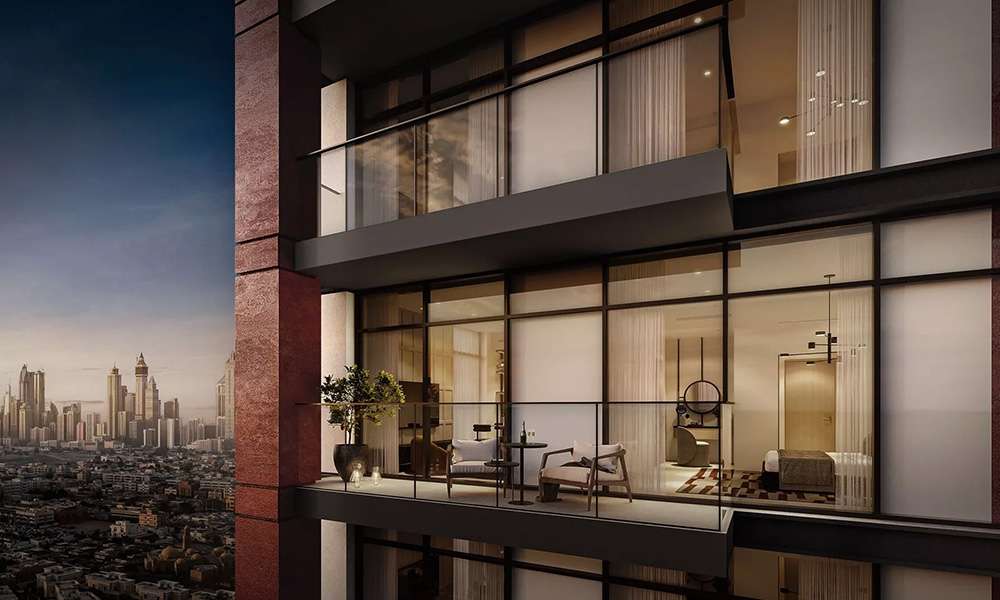
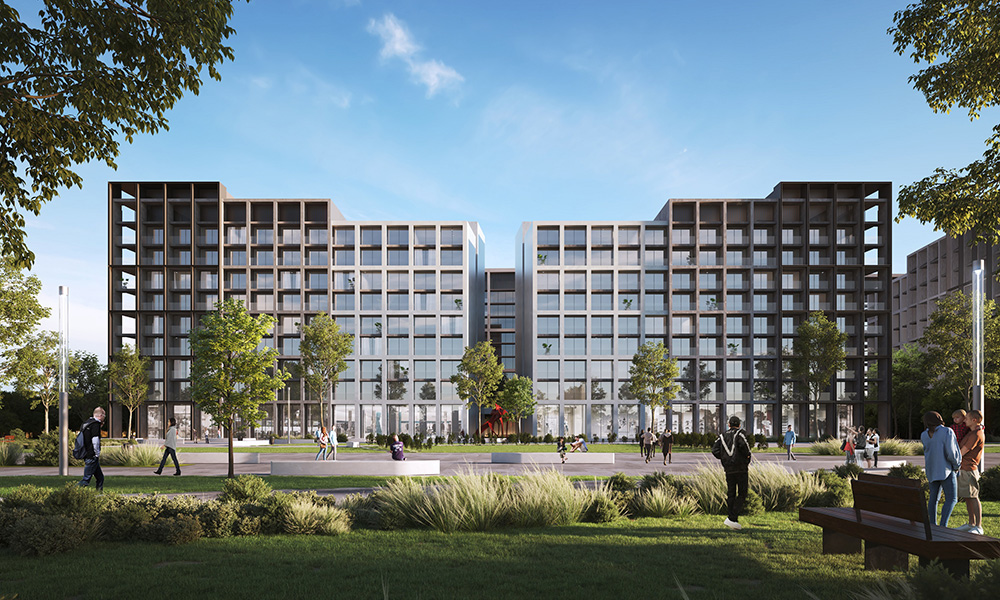
Sharjah-based developer Arada has awarded a $108mn contract to Gulf Asia Contracting Company (GAC) for the construction of the Nasaq District, a cluster of six upscale apartment buildings located within its large mixed-use community, Aljada.

Nasaq District will boast 649 homes ranging from one- to three-bedroom apartments – all featuring contemporary architecture – while each block offers residents direct access to Aljada’s tree-lined East Boulevard with its wide variety of shopping and dining experiences. There is also an urban linear park, which includes extensive sporting facilities.

A Dubai-based contractor with extensive civil and industrial construction experience, GAC is already working elsewhere at the Aljada site, after winning a $129mn contract to build the Vida Aljada hotel complex in January.
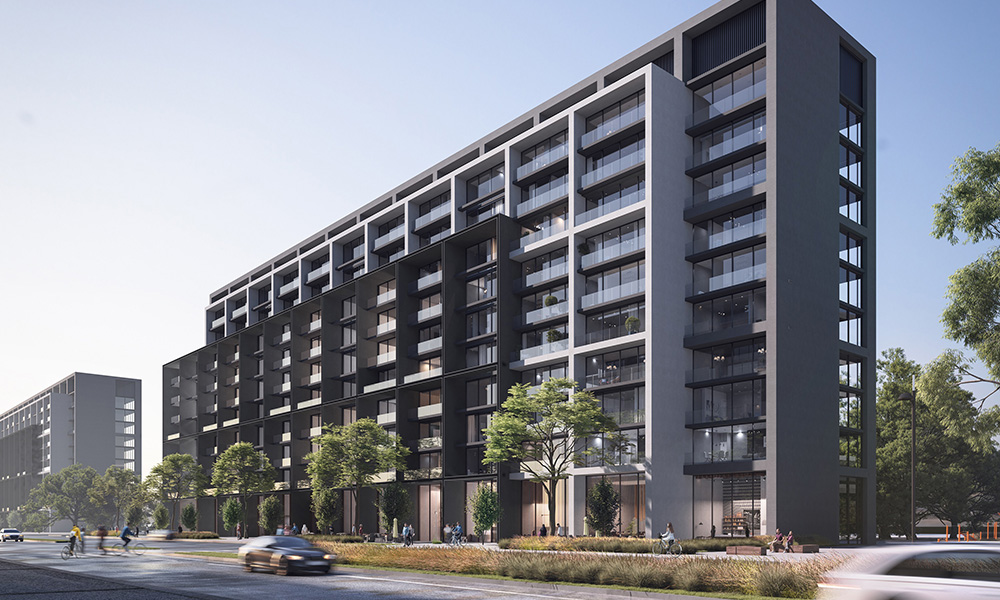
Construction is set to begin soon on the Nasaq Distict and the entire work schedule is slated to be complete within two years.

Arada Group CEO, Ahmed Alkhoshaibi commented: “We’re determined to keep up the pace of work at Aljada, where 3,200 homes are now under construction, and look forward to working with our partner GAC to bring this vibrant new district to life. Elsewhere on the Aljada jobsite, our teams are now closing in on the completion of the second phase of Madar, the popular family entertainment district, and we look forward to opening new and exciting attractions to the public within the coming months.”

Spread over a 24m sqft, Aljada is Sharjah’s largest-ever project and a transformational destination for the emirate. Aljada contains numerous residential districts, as well as extensive retail, hospitality, entertainment, sporting, educational, healthcare components and a business park, all set within a green urban master plan.

The post Arada awards US $108mn contract for apartment buildings within Aljada appeared first on Middle East Construction News.

Source: MEConstructionNews


Middle-East-Map_1000x600.jpg

August 4, 2023 wicsummit0

The Middle East is leading the charge in driving growth and adoption of the WELL Building Standard (WELL) globally, with a 24-fold increase in adoption over the last 19 months, a feat recently confirmed by the International WELL Building Institute (IWBI). As the global authority for driving market transformation toward healthy buildings, organisations and communities, IWBI is the leading force behind the WELL movement.

According to IWBI, WELL has been adopted throughout the Middle East by projects in sectors ranging from regional public sector, educational and governmental entities to real estate developers, financial institutions and management companies.

To date, more than 500m sqft of real estate  projects are enrolled in WELL programmes across 16 countries, including UAE, Afghanistan, Bahrain, Iran, Iraq, Israel, Jordan, Kuwait, Lebanon, Oman, Palestine, Qatar, Saudi Arabia, Syria, Turkey and Yemen – representing a doubling in the number of countries represented.

“Ever since the WELL Standard first took hold in the Middle East, we have seen incredible increases in demand year-over-year for WELL’s evidence-based strategies that support the physical and mental health of organisations’ most valuable asset – people. The commitments made by companies and public sector organisations across the region to prioritise the health, safety and well-being of their people is an inspiration to us all and demonstrates outstanding leadership, while proving that investments in health strategies can spark enhanced performance and increased financial returns,” said IWBI Founder Paul Scialla.

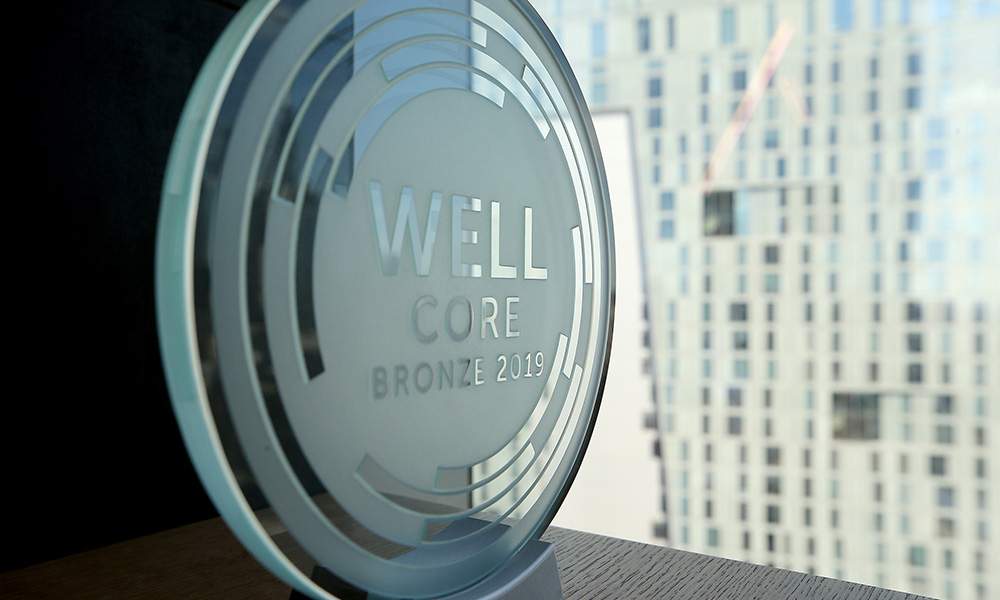
A WELL Core award sits on display on the 17th floor of the FMC Tower at Cira Centre South in Philadelphia, Pa. on February 17, 2021. The building has a WELL “healthy” building certification, which rates buildings on air, water, light, movement, thermal comfort, sounds, and materials.

The recent uptake in the Middle East has contributed to overall WELL adoption, which now stands at more than 42,000 projects, encompassing nearly 4.8b sqft of real estate in 127 countries.

In particular, the WELL Health-Safety Rating, a framework for driving resilience into the centre of business policies and operational plans through facility operations and management, has sparked considerable demand across the region – a demand being led by the UAE. For example, in a public sector-leading push, the UAE Prime Minister’s Office has achieved the WELL Health-Safety Rating for its Dubai office, according to IWBI.

This follows the office’s achievement of WELL Certification at the Platinum level, the first in the region to be certified through IWBI’s WELL v2 pilot and the first WELL Certified government ministry office in the world.

The post Middle East shows 24-fold increase in WELL adoption appeared first on Middle East Construction News.

Source: MEConstructionNews


Leos-Development1_1000x600.jpg

August 3, 2023 wicsummit0

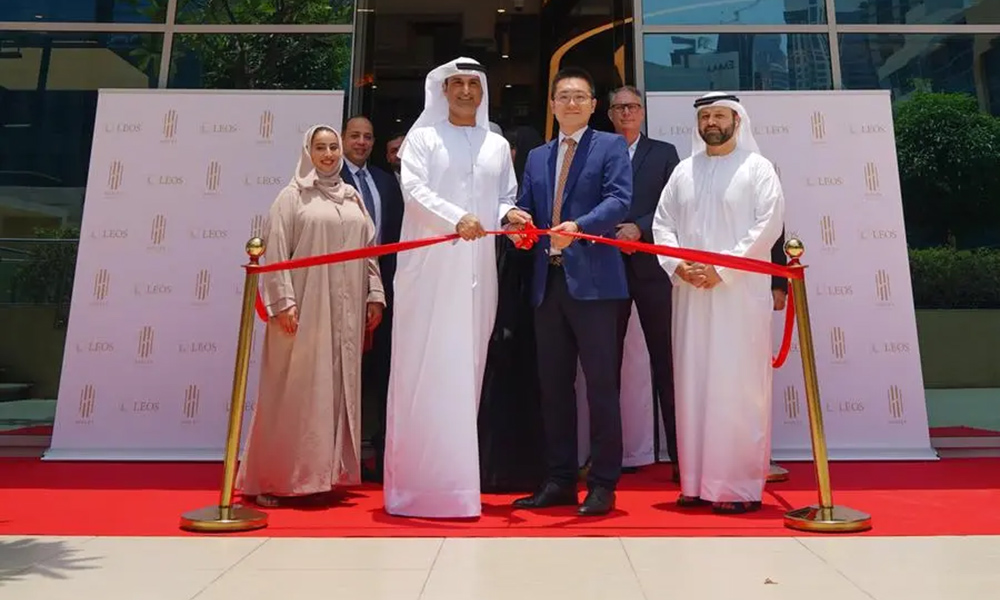
Leos Developments has unveiled a luxurious 15,000sqft show apartment as part of its new Experience Centre, located in Business Bay, Dubai. Other key highlights of the new Experience Centre include a 3D model gallery and grand amphitheatre for hosting events, providing an immersive experience for visitors.

Leos believes that its brand epitomises five core pillars – quality, craftsmanship, materiality, community, and detail, which are intricately woven into their projects, elevating the standards of modern living and fostering trust among clientele.

The Experience Centre also serves as a community hub for social and learning activities and offers valuable information about Leos’ current and upcoming developments.

The launch was attended by senior officials of Leos and the Dubai Land Department (DLD), and is said to reflect the strong collaboration and strategic partnership between the two entities and the ongoing relationship between private and public sectors.

Leos Founding Director, Rui Liu said, “We are delighted with the support we have received from DLD since launching our first development in Dubai. Our goal is to develop a strong, long-lasting strategic partnership that will lead to monumental milestones in the future.”

Highlighting the significance of the event, senior DLD official Majid Saqr Al Marri remarked, “We are thrilled to have been part of Leos’ Experience Centre inauguration. This marks the beginning of a fruitful collaboration as we work together on iconic projects that will shape the future skyline of the city.”

Leos’ Senior Business Director (Middle East & Asia), Mark Gaskin, shared his excitement about the new Experience Centre, emphasising its key focus on the needs of clients and the community.

“We aimed to create a space where clients can comfortably get to know us better, fostering a deeper connection with the community and the lovely city of Dubai. Additionally, we envisioned the centre as a gathering place for both clients and the community, contributing to the vibrant fabric of the community and creating lasting memories,” he concluded.

The post Leos Developments launches Experience Centre appeared first on Middle East Construction News.

Source: MEConstructionNews

Green-Hydrogen_1000x600.jpg

August 3, 2023 wicsummit0

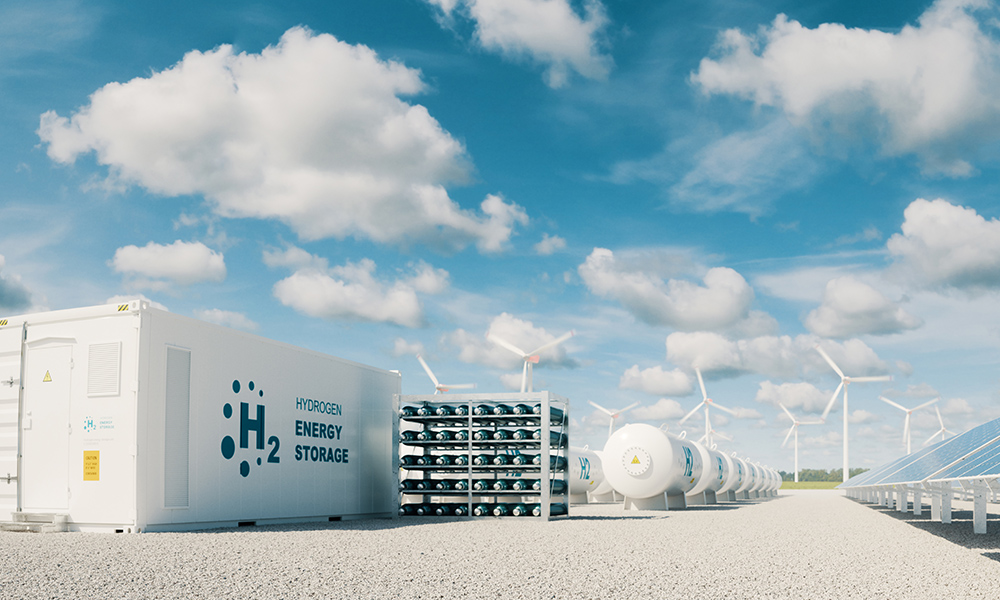
GHD and Fraunhofer Cluster of Excellence Integrated Energy Systems CINES have partnered with the UAE Ministry of Energy and Infrastructure (MOEI) to deliver a comprehensive National Hydrogen Strategy.

The project was commissioned by the government of the UAE; the strategy is said to be built around the UAE’s vision to become a leading global producer of low-carbon hydrogen by its 60th anniversary in 2031.

The strategy sets a goal of leveraging the country’s abundant natural gas reserves, high solar radiance, and favourable position as a global energy and business hub. With the added advantage of substantial financial resources and a high credit rating, the UAE is well-positioned to become a global leader in low-carbon hydrogen production. The strategy is a fact-based analysis that evaluates the opportunities and challenges associated with establishing a hydrogen-based economy in the UAE, and has been endorsed by the MOEI.

A partnership between GHD and Fraunhofer was formed to ensure the successful delivery of this project. In addition to liaising with stakeholders to co-design the strategic framework, GHD gathered stakeholder insights including ongoing projects, planned initiatives, enablers, and worked with MOEI to develop a roadmap for establishing the UAE hydrogen economy, a statement from GHD noted.

“Hydrogen has the potential to play an important role in the UAE’s transition to a low-carbon economy. We are committed to implementing the National Hydrogen Strategy to unlock opportunities and benefits and achieve our net-zero target. Our goal is to establish the UAE as a leader in the global hydrogen market, create new economic opportunities and contribute to a more sustainable future for all,” explained His Excellency Eng Sharif Al Olama, MOEI’s Undersecretary for Energy and Petroleum Affairs.

The partnership is said to have also incorporated Fraunhofer’s technical parameters derived from its HYPAT – Hydrogen Potential Atlas project, along with extensive research from primary and secondary literature sources, to ensure the accuracy of the data on hydrogen production and domestic forecasted targets. The combined expertise and experience of GHD and Fraunhofer played a pivotal role in the successful delivery of their project and contributed to positioning the UAE as a frontrunner in hydrogen development and drive sustainable growth and advancements in the field, the statement added.

The strategy sets the stage for the nation’s ambitious hydrogen goals, with the next milestone being the development of a Low Carbon Hydrogen policy.

The National Hydrogen Strategy presents several key highlights, which include:

  • Exponential hydrogen production growth: The strategy targets a production of 1.4m tonnes per annum of low-emission hydrogen by 2031, out of which 71.4% will be green hydrogen. By 2050, the country aims to increase production tenfold to reach 15m tonnes per annum.
  • Green job creation: The strategy sets a target of creating thousands of new green jobs by 2031. This initiative not only drives economic growth but also contributes to developing a skilled workforce in the renewable energy sector.
  • Hydrogen infrastructure expansion: The UAE plans to establish two hydrogen oases (hubs) by 2031 to support the hydrogen economy. Additionally, a hydrogen centre for research and development will be set up by 2031, with the vision of transforming it into a globally recognised innovation centre for hydrogen by 2050.

Thomas Evans, Executive Advisor at GHD added, “Building a successful hydrogen economy requires multiple complex enablers to come together, including infrastructure, a skilled workforce, and a clear and consistent policy environment. GHD is committed to unlocking sustainable pathways to net-zero, and developing a hydrogen economy is a critical part of the broader decarbonisation puzzle.”

Dr Jan Frederik Braun, Head of Hydrogen Cooperation (MENA Region) at Fraunhofer CINES concluded, “This hydrogen strategy, which has been developed together with all key hydrogen and energy stakeholders in the UAE considers all aspects of the hydrogen value chain: production, distribution and usage. The UAE’s opportunities to create value in the emerging global hydrogen market will lie in its ability to produce innovative and competitive hydrogen-based end products along the entire value chain. As Europe’s largest applied research organisation, Fraunhofer has the expertise and experience to develop and test hydrogen technologies for industrial partners in the UAE and bring them to market.”

The post GHD, Fraunhofer and UAE’s MOEI develop National Hydrogen Strategy appeared first on Middle East Construction News.

Source: MEConstructionNews